

Business Insights
  • Home
  • Crypto
  • Finance Expert
  • Business
  • Invest News
  • Investing
  • Trading
  • Forex
  • Videos
  • Economy
  • Tech
  • Contact

Archives

  • May 2026
  • April 2026
  • March 2026
  • February 2026
  • January 2026
  • December 2025
  • November 2025
  • October 2025
  • September 2025
  • August 2025
  • July 2025
  • June 2025
  • May 2025
  • April 2025
  • March 2025
  • February 2025
  • January 2025
  • December 2024
  • November 2024
  • October 2024
  • September 2024
  • August 2024
  • July 2024
  • June 2024
  • May 2024
  • April 2024
  • March 2024
  • February 2024
  • August 2023
  • January 2023
  • December 2021
  • July 2021
  • November 2019
  • October 2019
  • September 2019
  • August 2019
  • July 2019
  • June 2019
  • May 2019
  • April 2019
  • March 2019
  • February 2019
  • January 2019

Categories

  • Business
  • Crypto
  • Economy
  • Finance Expert
  • Forex
  • Invest News
  • Investing
  • Tech
  • Trading
  • Uncategorized
  • Videos
Apply Loan
Money Visa
Advertise Us
Money Visa
  • Home
  • Crypto
  • Finance Expert
  • Business
  • Invest News
  • Investing
  • Trading
  • Forex
  • Videos
  • Economy
  • Tech
  • Contact
What Are They Trying to Prove and Do We Believe Them
  • Invest News

What Are They Trying to Prove and Do We Believe Them

  • April 20, 2025
  • Roubens Andy King
Total
0
Shares
0
0
0
Total
0
Shares
Share 0
Tweet 0
Pin it 0

What Are They Trying to Prove and Do We Believe Them
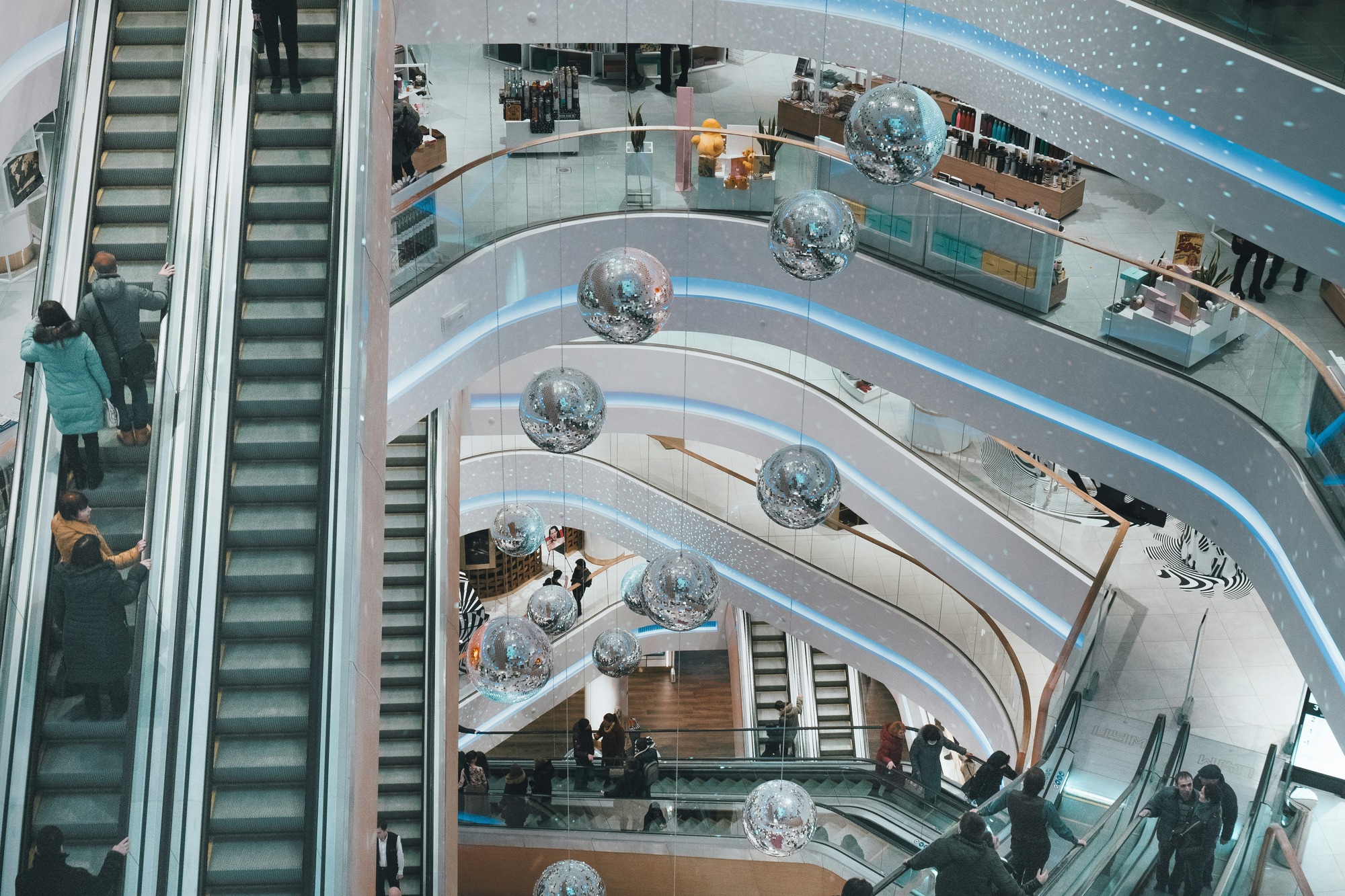
Image by Viktor Bystrov

In an era of rising prices, shrinking paychecks, and record-breaking corporate profits, “retail blackouts” have become the latest tool in the consumer protest playbook. On social media, waves of users are calling for collective no-buy days, swearing off big-box stores, fast fashion, or even online marketplaces for set periods of time. The message is loud: consumers are fed up, and they’re trying to hit companies where it hurts.

But while the intention behind these blackouts is clear—sending a message to corporations through withheld spending—the actual impact remains up for debate. Are retail blackouts genuinely disrupting the system, or are they more symbolic than strategic? And do the companies on the receiving end even notice?

The Rise of Consumer-Led Protests

Retail blackouts aren’t a new idea, but they’ve gained momentum in recent years thanks to viral trends, rising income inequality, and mounting frustration over unethical business practices. With one-click purchases and fast shipping more accessible than ever, choosing not to buy something suddenly feels like a revolutionary act.

Participants often organize around specific issues: exploitative labor, price gouging, environmental harm, or tone-deaf advertising campaigns. In theory, if enough people hold their wallets for a day or a week, retail giants might finally listen. But the key word here is if.

Symbolic Gestures or Tangible Disruption?

Critics argue that many retail blackouts fail to cause any real financial strain to large corporations. Missing a few thousand purchases on a single day barely affects the bottom line of companies pulling in millions or billions every 24 hours. What’s more, if shoppers simply delay their purchases until the next day, the blackout becomes more of a pause than a protest.

That said, the power of a blackout may not lie solely in the numbers. Visibility matters. When enough people speak out, organize, and create noise online, the optics alone can prompt brands to enter crisis PR mode. Companies care deeply about their public image, and even symbolic pressure can lead to shifts in messaging, partnerships, and long-term brand strategy.

The Role of Social Media and Performative Outrage

Much of the retail blackout movement lives online, where hashtags, TikToks, and trending posts amplify participation. But this visibility is a double-edged sword. With online culture increasingly driven by performative outrage, it can be difficult to distinguish sincere protest from attention-seeking theatrics.

Some influencers promote blackout days while wearing newly purchased luxury items. Others boycott one brand only to support another with equally questionable practices. These contradictions weaken the overall message, making it easy for skeptics and corporations to dismiss the effort as disorganized or unserious.
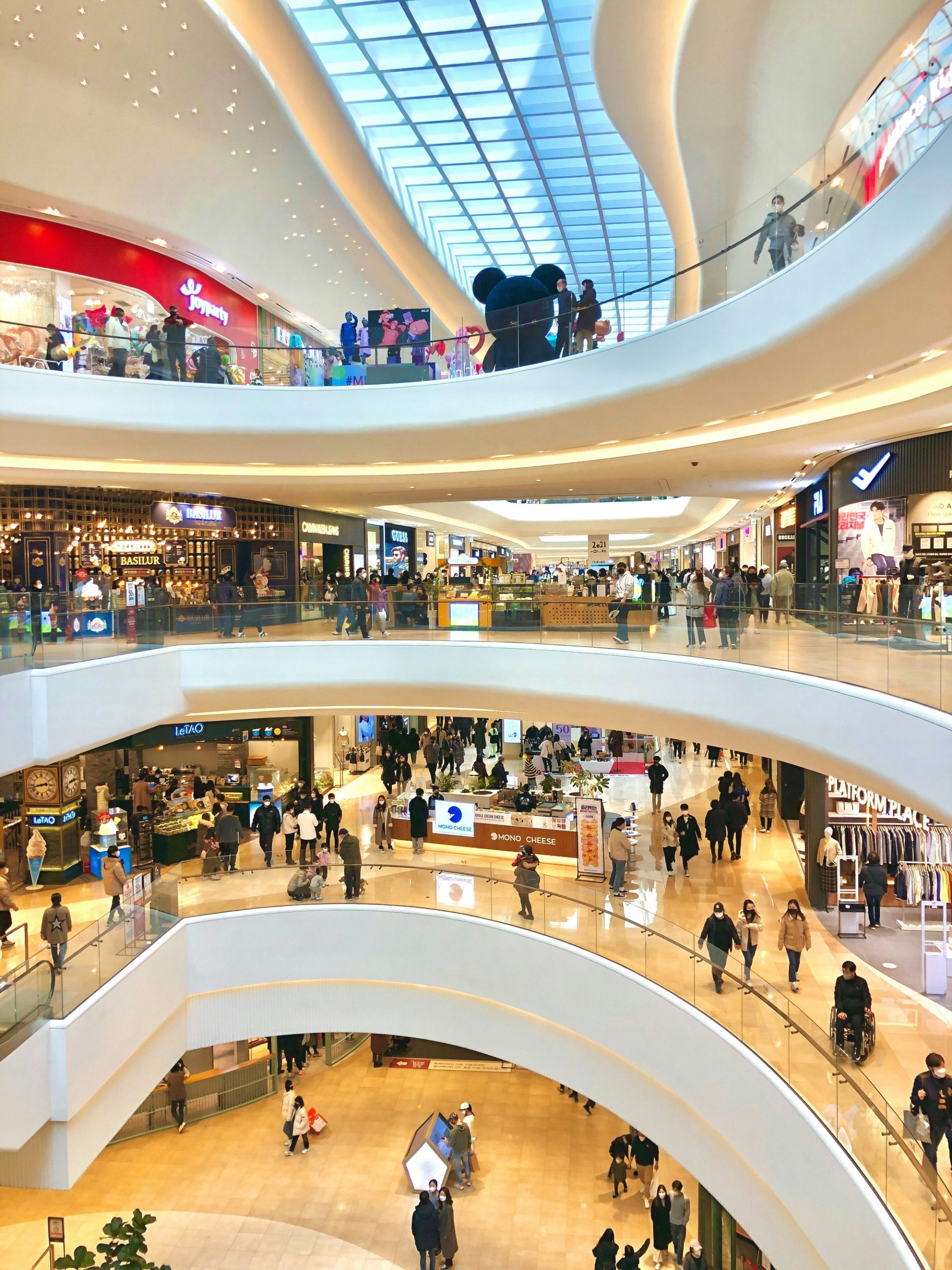
Image by Soonmok Kwon

Who Actually Has the Power to Boycott?

One of the quiet tensions behind retail blackouts is the assumption that everyone can afford to opt out. But many people shop based on necessity, not principle. Telling someone working multiple jobs to boycott affordable retail options often misses the reality of their financial constraints.

The idea of voting with your dollar assumes the luxury of choice. For marginalized communities and working-class families, the cheapest and most convenient option is often the only one. So when a blackout targets a brand like Walmart or Amazon, it may leave out the very people most affected by corporate greed, simply because they can’t afford to protest in the way others can.

Are Brands Even Listening?

Large retailers track consumer trends obsessively, so when a blackout movement gains traction, chances are they’re watching. But whether they’re taking the message seriously is another matter. If a blackout lacks sustained pressure or clear demands, companies often ride out the storm, repackage their messaging, and continue business as usual.

The most effective blackouts tend to be long-term, coordinated, and backed by real data. They rely on more than just a trending hashtag—they require grassroots momentum, smart communication, and follow-through. When boycotts lack those elements, brands may not feel compelled to change because they know the outrage will likely fade.

What Comes After the Blackout?

A retail blackout can send a signal, but long-term change often comes from consistent behavior. Supporting ethical brands, questioning fast consumption, and holding corporations accountable through legislation and policy have far greater staying power than a single no-buy day.

For real economic pressure to work, it must be paired with clear asks: better labor conditions, transparency in sourcing, fair pricing, or concrete investments in communities. Without this clarity, the message risks getting lost, reduced to a fleeting trend rather than a lasting movement.

Can skipping a purchase really shake a billion-dollar system? Or are retail blackouts just another form of modern protest designed more for optics than impact?

Read More:

Influencers Are Becoming Political Leaders — For Better or Worse

Economic Unease Grips Americans Across the Income Spectrum in 2025

Riley Schnepf

Riley is an Arizona native with over nine years of writing experience. From personal finance to travel to digital marketing to pop culture, she’s written about everything under the sun. When she’s not writing, she’s spending her time outside, reading, or cuddling with her two corgis.




Source link

Total
0
Shares
Share 0
Tweet 0
Pin it 0
Roubens Andy King

Previous Article
Stocks Vs Mutual Funds: Where to Invest Money? Deepak Wadhwa
  • Videos

Stocks Vs Mutual Funds: Where to Invest Money? Deepak Wadhwa

  • April 20, 2025
  • Roubens Andy King
Read More
Next Article
The Top 5 Most Common Mistakes First-Time Pet Owners Make
  • Invest News

The Top 5 Most Common Mistakes First-Time Pet Owners Make

  • April 20, 2025
  • Roubens Andy King
Read More
You May Also Like
Trump Brands CNN and New York Times Disloyal as Iran Tensions Deepen
Read More
  • Invest News

Trump Brands CNN and New York Times Disloyal as Iran Tensions Deepen

  • Roubens Andy King
  • May 1, 2026
How to Start a Cake Shed Bakery in the UK: Legal Rules, Costs and Food Hygiene Checklist.
Read More
  • Invest News

How to Start a Cake Shed Bakery in the UK: Legal Rules, Costs and Food Hygiene Checklist.

  • Roubens Andy King
  • April 28, 2026
Jimmy Kimmel Targets Trump Backers He Compares to Zombies in Sharp Takedown
Read More
  • Invest News

Jimmy Kimmel Targets Trump Backers He Compares to Zombies in Sharp Takedown

  • Roubens Andy King
  • April 21, 2026
Can This App Help You Pay Off Debt Faster?
Read More
  • Invest News

Can This App Help You Pay Off Debt Faster?

  • Roubens Andy King
  • April 20, 2026
High-Yield Checking With Built-In Budgeting for Families
Read More
  • Invest News

High-Yield Checking With Built-In Budgeting for Families

  • Roubens Andy King
  • April 20, 2026
10 Frugal Swaps to Save Up to ,200 Per Month
Read More
  • Invest News

10 Frugal Swaps to Save Up to $1,200 Per Month

  • Roubens Andy King
  • April 20, 2026
Hidden Cash in Your Driveway, Unlock Cash from Scrapping Your Old Car
Read More
  • Invest News

Hidden Cash in Your Driveway, Unlock Cash from Scrapping Your Old Car

  • Roubens Andy King
  • April 17, 2026
Paying Off The House?  Not An Emergency
Read More
  • Invest News

Paying Off The House? Not An Emergency

  • Roubens Andy King
  • April 17, 2026

Leave a Reply Cancel reply

Your email address will not be published. Required fields are marked *

Recent Posts

  • ScarYoup – Business (feat. B-Grâce, Blacky PM & Zepekinio)
  • Financial Times: Hegseth’s broker looked to make multimillion-dollar defense investment before war
  • Want To ‘Invest’ In OpenAI or SpaceX? What To Know About Tokenization
  • I Bought My Dream Car with Online Business | Full Story (2019–2025)
  • Index Funds vs Mutual Funds vs Hedge Funds vs ETFs Explained!
Featured Posts
  • ScarYoup – Business (feat. B-Grâce, Blacky PM & Zepekinio) 1
    ScarYoup – Business (feat. B-Grâce, Blacky PM & Zepekinio)
    • May 5, 2026
  • Financial Times: Hegseth’s broker looked to make multimillion-dollar defense investment before war 2
    Financial Times: Hegseth’s broker looked to make multimillion-dollar defense investment before war
    • May 4, 2026
  • Want To ‘Invest’ In OpenAI or SpaceX? What To Know About Tokenization 3
    Want To ‘Invest’ In OpenAI or SpaceX? What To Know About Tokenization
    • May 3, 2026
  • I Bought My Dream Car with Online Business | Full Story (2019–2025) 4
    I Bought My Dream Car with Online Business | Full Story (2019–2025)
    • May 2, 2026
  • Index Funds vs Mutual Funds vs Hedge Funds vs ETFs Explained! 5
    Index Funds vs Mutual Funds vs Hedge Funds vs ETFs Explained!
    • May 1, 2026
Recent Posts
  • Federal Reserve Board – Agencies issue host state loan-to-deposit ratios
    Federal Reserve Board – Agencies issue host state loan-to-deposit ratios
    • May 1, 2026
  • Trump Brands CNN and New York Times Disloyal as Iran Tensions Deepen
    Trump Brands CNN and New York Times Disloyal as Iran Tensions Deepen
    • May 1, 2026
  • Should we buy/ sell/ hold? State of the Stock Market (invest at end of 2025)
    Should we buy/ sell/ hold? State of the Stock Market (invest at end of 2025)
    • April 30, 2026
Categories
  • Business (2,057)
  • Crypto (2,023)
  • Economy (266)
  • Finance Expert (1,687)
  • Forex (2,016)
  • Invest News (2,467)
  • Investing (2,040)
  • Tech (2,056)
  • Trading (2,024)
  • Uncategorized (2)
  • Videos (1,052)

Subscribe

Subscribe now to our newsletter

Money Visa
  • Privacy Policy
  • DMCA
  • Terms of Use
Money & Invest Advices

Input your search keywords and press Enter.