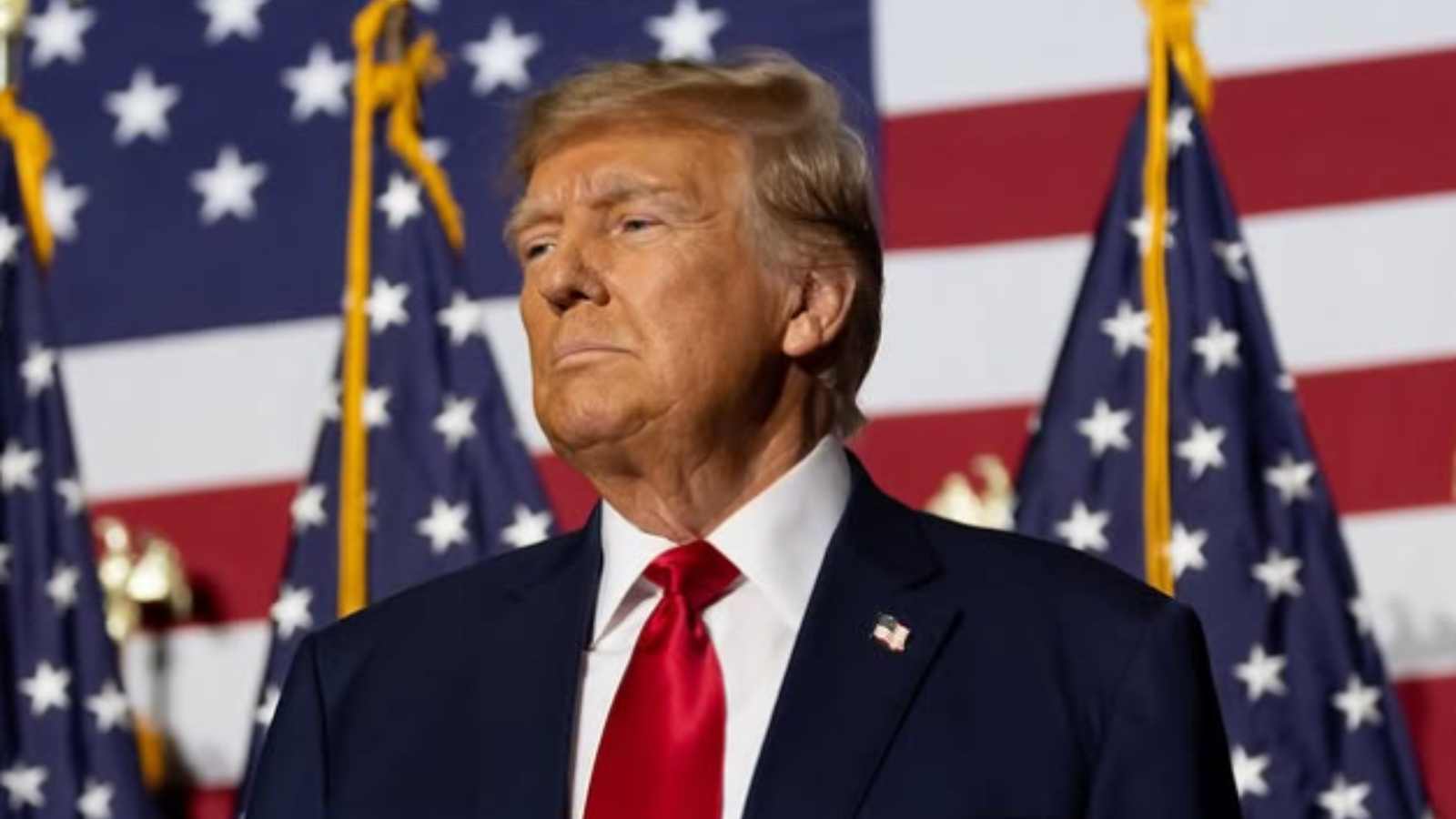

Walking into the Oval Office this Thursday, you could instantly feel that specific, heavy energy that kicks in whenever the President decides his biggest headache isn’t some foreign power thousands of miles away, but the people sitting right there in the front row with notebooks and cameras.
This was not just another press briefing; it felt almost like a collision was coming. Donald Trump didn’t just look annoyed… he looked like a man who felt the real battle wasn’t being fought in the Middle East, but right there in the room against the very reporters tasked with covering him.
As tensions with Iran reach a boiling point, the President is no longer just fighting a physical war… he’s fighting a narrative one. For Trump, this isn’t about differing opinions or editorial spin anymore. It’s about loyalty.
Watching him address the pool reporters, it was clear that he feels a deep sense of betrayal from the very institutions that are supposed to chronicle the American story. He spoke with a raw edge, the kind that makes you lean in because you know he’s about to say exactly what’s on his mind, no filters allowed.
The “Seditious” Label
During an event originally intended for an executive order on retirement savings, the conversation took a sharp, jagged turn toward the Middle East and the domestic fallout surrounding it. Trump didn’t hold back, specifically targeting The New York Times and CNN for what he described as “seditious” reporting.
“Every day I read about how well they’re doing militarily,” the President remarked, referring to the Iranian forces. To hear him tell it, the discrepancy between the intelligence on his desk and the chyrons on the television screen is nothing short of a national scandal.
He maintained that Iran has “nothing left” and is essentially “done,” yet the media coverage suggests a completely different reality. The use of the word “seditious” is a massive escalation in rhetoric; it moves the goalposts from “fake news” to something far more legally and morally weighted.
Trump is essentially accusing these outlets of actively working against the interests of the United States by portraying an enemy as more capable than they truly are.
The President’s frustration seems to stem from a perceived lack of credit for military milestones, such as “Operation Epic Fury” and “Operation Midnight Hammer.” According to Trump, the U.S. has effectively “militarily decapitated” the Iranian regime, destroying their navy, air force, and leadership infrastructure.
Yet, when he flips to “stupid CNN”, which he admits to watching briefly only to keep an eye on “the enemy,” he sees a narrative of American struggle. “If you see CNN, you’d think that they’re winning the war,” he lamented to the gathered reporters. This disconnect isn’t just a PR problem for the White House; it’s a fundamental clash of realities.
Trump views the reporting as a deliberate attempt to undermine the country’s morale and the mission’s effectiveness. For a man who prizes strength and visual victory above all else, seeing the New York Times columnists suggest that the U.S. is “losing its edge” feels like a personal and political assault.
Why the President Keeps Tuning Into “The Enemy”
One of the most fascinating takeaways from this latest outburst is Trump’s admission that he still watches the very networks he despises. It’s a classic case of keeping your friends close and your enemies closer, though he frames it as a necessity for “being smart.”
He doesn’t watch for entertainment or even for information in the traditional sense; he watches to monitor the opposition. This habit underscores the central role media consumption plays in his presidency and decision-making.
By calling the Times “seditious,” he is pointing the finger not just at the reporters on the ground, but at the very “top” of these organizations. He believes the bias is systemic, a directive filtered down from the executive suites to the newsrooms to ensure that his administration never gets a “clean win.”
The President’s rhetoric on Thursday wasn’t just about hurt feelings; it was about defining the stakes of the conflict. He described the Iranian economy as “collapsing” with inflation near 100%, and insisted that the U.S. blockade on oil is “100% effective.”
In his view, the war is already won, and the only thing left to do is secure a “firm guarantee” that Tehran will never possess a nuclear weapon. However, the media’s focus on the complexities of the 63rd day of an internet blackout in Iran or the legalities of the War Powers Act deadline seems to him like a distraction from the “military victories” he’s achieved.
This clash highlights a broader theme of the Trump era: the battle over who gets to define what “winning” actually looks like in a modern, globalized conflict.
The Unseen Benefit of a Hostile Press Corps
While most observers see the friction between Trump and the media as a sign of a fractured democracy, an alternative perspective suggests this antagonism actually serves a vital, if unintended, purpose.
One could argue that Trump’s constant attacks on CNN and the New York Times have forced these outlets into a state of hyper-vigilance that actually benefits the public.
When a President is this openly hostile, the media is incentivized to double-check every fact and scrutinize every military claim with an intensity that might not exist under a more “friendly” administration.
In a weird, roundabout way, the President’s “enemy” rhetoric has created a high-stakes environment where the press feels they cannot afford to be wrong, lest they prove his “fake news” points correct.
Furthermore, this constant friction keeps the public engaged. By branding the media as “disloyal,” Trump ensures that his base is constantly looking for alternative sources of information, while his critics cling more tightly to traditional outlets.
This creates a competitive marketplace of ideas, even if that marketplace is currently characterized by intense polarization. The “seditious” label might be extreme, but it forces a national conversation about the role of the press in wartime that usually only happens in history books.
Instead of a passive audience, we have a highly active one that is constantly debating the veracity of what they see and hear. In the long run, this level of scrutiny might lead to a more media-literate public, even if the road to get there is paved with Oval Office outbursts and “stupid CNN” barbs.