

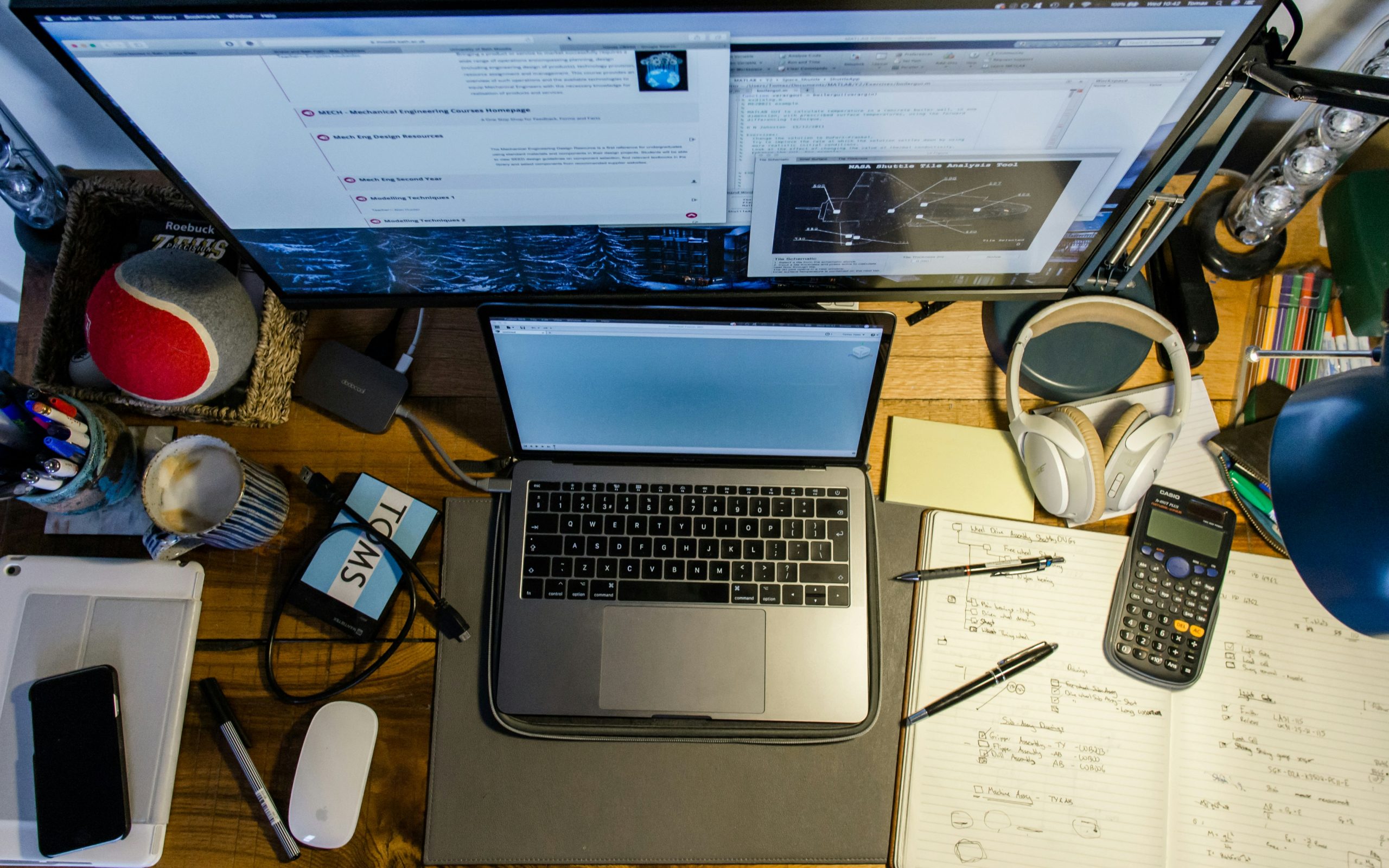
In a world where we’re constantly bombarded with information, noise, and expectations, home should feel like a sanctuary. But for many people, the chaos doesn’t stop at the front door. It continues in piles of laundry, overstuffed drawers, junk mail scattered across counters, and closets you can’t open without bracing for impact.
What seems like everyday mess is more than a minor inconvenience. It’s a silent stressor. And it’s doing more damage to your mental health than you might realize.
Clutter Isn’t Harmless. It’s Draining
At first glance, clutter might feel like a purely aesthetic issue. Maybe it’s frustrating or embarrassing, but not serious. However, research and psychological insight say otherwise. Clutter directly affects how we think, feel, and function—and the effects are often subtle but cumulative.
Living in a disorganized environment constantly bombards your brain with excess stimuli. Every object in your field of vision competes for your attention, making it harder to focus, process information, or feel a sense of calm. Over time, this leads to mental fatigue, irritability, and even a drop in your ability to regulate emotions.
The Link Between Clutter and Anxiety
One of the clearest connections researchers have found is between clutter and anxiety. A study published in the Personality and Social Psychology Bulletin found that people who described their homes as cluttered or full of “unfinished projects” were more likely to experience feelings of depression and fatigue.
Another study using fMRI scans showed that people who viewed images of messy spaces had significantly more activity in the amygdala—the part of the brain associated with fear and stress—compared to those looking at tidy scenes. In other words, mess makes your brain feel unsafe.
When your environment feels out of control, your nervous system mirrors that energy. You might not be consciously thinking, This mess is stressing me out, but your body is responding as if you’re under constant, low-grade threat.
How Clutter Disrupts Emotional Balance at Home
Clutter doesn’t just drain your attention. It also seeps into your emotional well-being. When your surroundings are chaotic, it’s harder to rest, harder to connect, and harder to feel present.
You might notice:
-
Increased arguments with loved ones over shared spaces
-
A sense of guilt or shame when you look around your home
-
Feeling overwhelmed even when nothing “big” is happening
-
Avoiding certain rooms because they trigger stress or frustration
-
Being less likely to invite people over, leading to social isolation
In relationships, clutter can even act as a silent wedge. Resentment builds when one partner feels responsible for cleaning or when both people feel stuck in a cycle of mess and blame. The space that should feel like a refuge begins to feel like a burden.
The Psychological Weight of “Stuff”
We often underestimate how emotionally charged our belongings are. Every item in your home carries some level of mental or emotional association, even if it’s just guilt for not having dealt with it.
That stack of unread books? Guilt for not reading.
The pants you’ve outgrown? Shame for not fitting into them.
That junk drawer? Anxiety over “What if I need this later?”
We think we’re ignoring clutter, but emotionally, we’re not. Our brains keep score. The more things we accumulate without intention, the more unresolved emotions we’re forced to carry around with us every day.
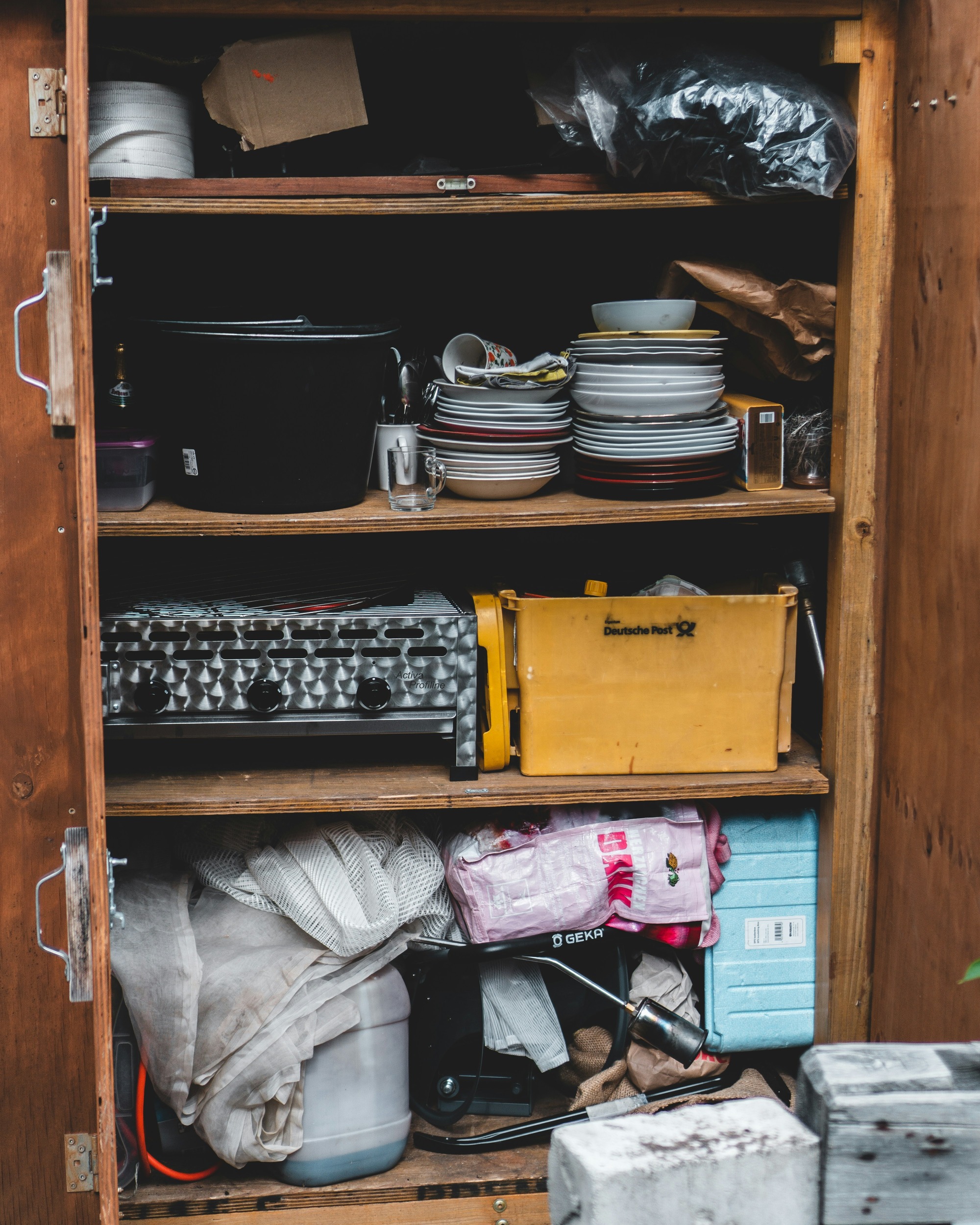
Why “Just Cleaning” Isn’t the Answer
Many people try to fight clutter with periodic deep cleans or spur-of-the-moment organizing binges. And while that can help in the short term, it often doesn’t address the root problem.
Clutter is rarely just about laziness. More often, it’s about decision fatigue, emotional attachment, or being stuck in survival mode. If your brain is overwhelmed from work, parenting, or simply coping with daily stressors, it’s going to prioritize short-term comfort over long-term order. That’s not a character flaw. It’s a coping mechanism.
To truly address clutter, we have to shift from a punishment mindset (“I need to clean up or I'm failing”) to one of care (“What kind of space would help me feel supported?”).
Creating Mental Clarity Through Physical Space
There’s a reason so many people feel lighter after decluttering. When you intentionally choose what stays in your space, you’re choosing what energy you want to live with. A clear space is not only visually soothing, but it also communicates calm to your nervous system.
Start small. Pick one area where clutter consistently stresses you out: your nightstand, your kitchen counter, your entryway. Create one tiny zone of calm, then build from there.
And when you let go of things, don’t just toss them—release them. Thank them if that helps. Recognize the emotional labor you’re unloading with every object that no longer serves you. You don’t need a perfectly minimal home to feel better. But you do need a space that makes you feel supported rather than suffocated.
When to Ask for Help
Sometimes, clutter goes beyond the occasional mess and becomes a sign of deeper emotional distress. Hoarding tendencies, chronic disorganization, or an inability to let go of items can be tied to trauma, depression, or executive dysfunction.
If you find yourself stuck in patterns that feel unmanageable, don’t hesitate to ask for help from a therapist, a professional organizer, or even a trusted friend. You don’t have to tackle it alone, and there’s no shame in needing support.
Mental health isn’t just something that lives in your brain. It lives in your body, in your environment, and in your day-to-day choices. Decluttering isn’t about aesthetics. It’s about freedom.
Have you ever noticed how your space affects your mood or stress levels? What’s one area of your home you’d love to reset, and what’s holding you back?
Read More:
Green Cleaning: 10 Natural Cleaning Solutions That Save Money
Spotless Serenity Embracing the Transformative Power of Immaculate Cleanliness