
00:00 Speaker A
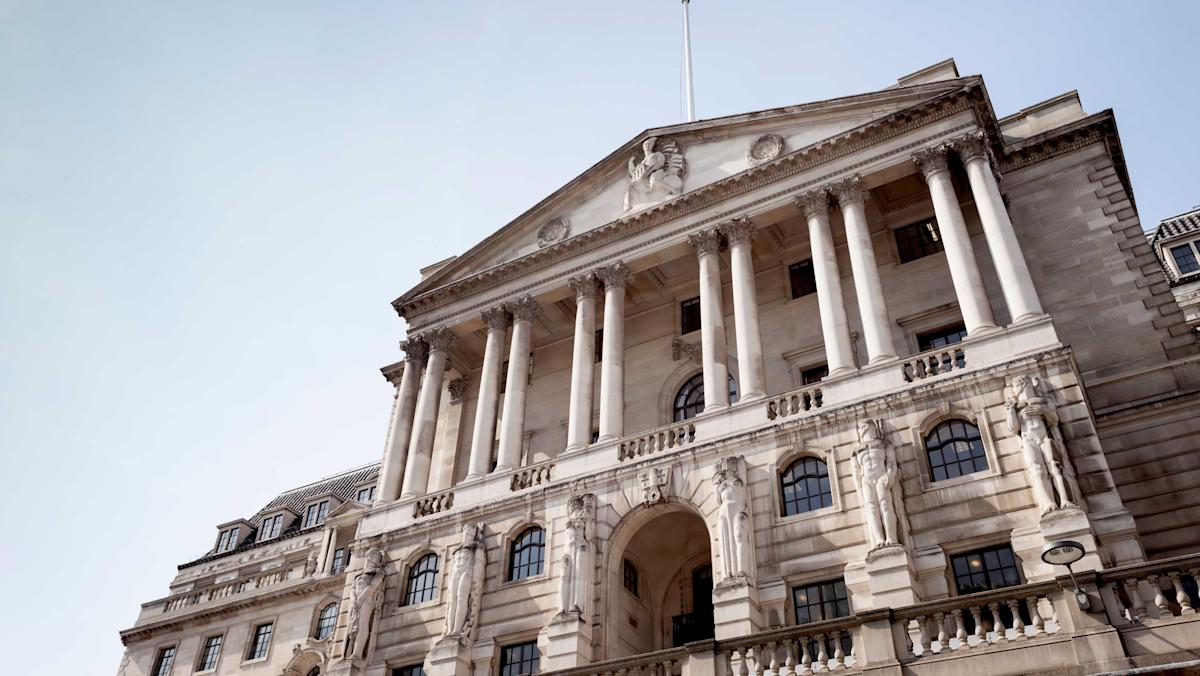
The Fed not the only central bank making a decision, even if in the case of the Bank of England, it it was a decision to not do anything.
00:09 Speaker B
Yeah, and it was the it was so unsurprising, I can't tell you. So yeah, they kept rates on hold at 4%. I told you about growth being one of the issues here, but inflation is particularly sticky at 3.8%. So it was no surprise rates kept on hold. In fact, there was a bit of a warning from the governor of the Bank of England that actually the the path downwards would be gradual. Uh also quite interesting to note that you might remember back in 2000 during the financial crisis of 2009, the Bank of England started buying a lot of government debt. Well, it started to it's been reducing that their holdings. Um, you know, peaked at 875 billion in 2022. They've been reducing it, offloading about 100 billion each year. Well, they're reducing that that rate of offloading to 70 billion. And why? Well, it's because they're trying to curb against rising bond yields. And now this is quite important for the UK Finance Minister, as we call her, the Chancellor, Rachel Reeves, because she's going to be delivering her budget in November and she's got a big hole in her public finances. So obviously with higher market interest rates, she'll have to pay more to service those debts. Also, don't forget that tomorrow we get an an interest rate decision from the Bank of Japan as well. Again, not expecting a change. their rates to be kept on hold at 0.5%. That would have been a very different story back in July when the US and Japan signed that trade agreement, but now because there's political uncertainty in the country, it's more likely that rates will stay on hold there at 0.5%.