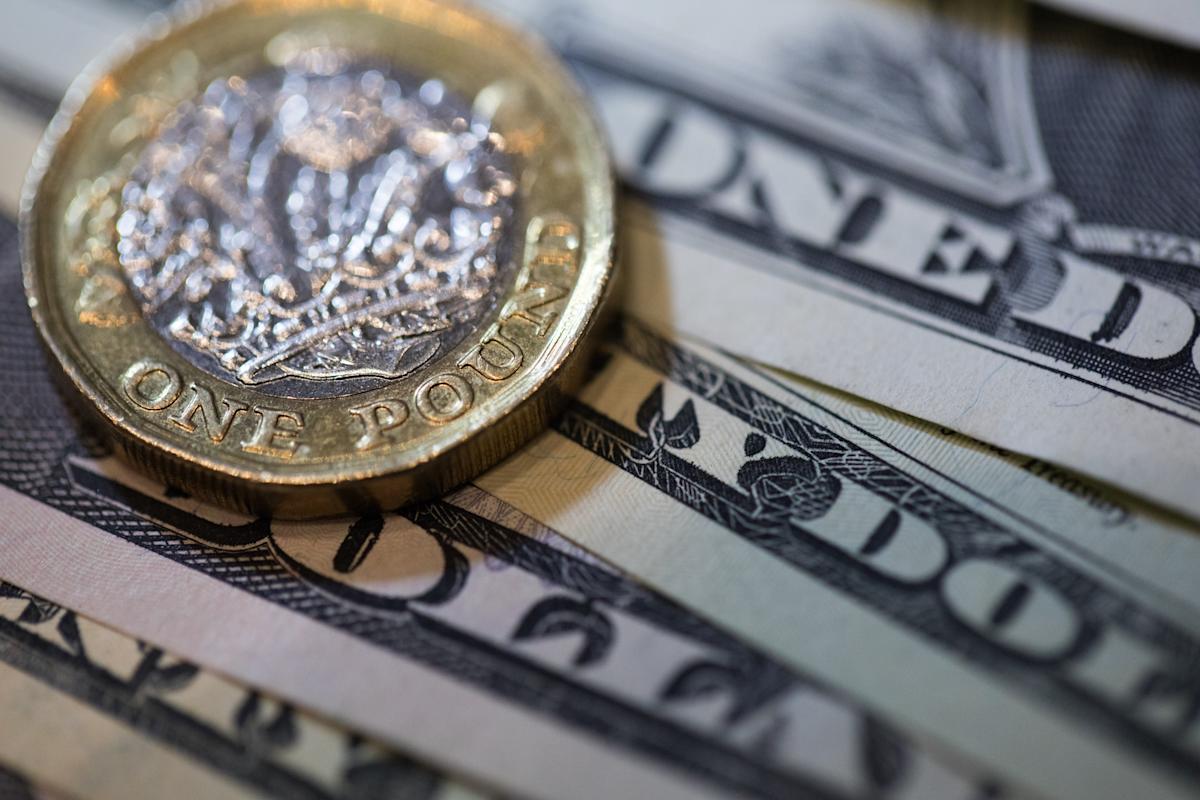

The pound climbed to its highest level against the dollar in more than three years on Thursday morning, buoyed by fresh speculation over the future leadership of the US Federal Reserve.
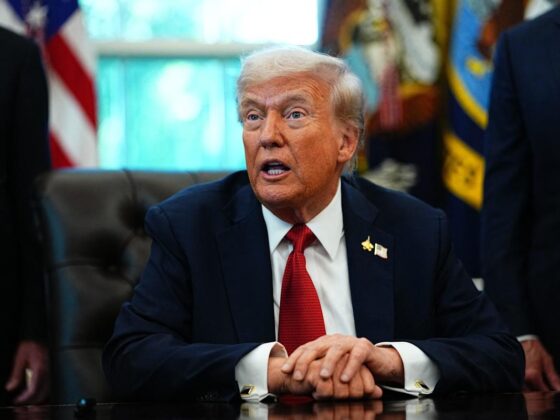
Sterling rose 0.5% to $1.3725, its strongest level since January 2022, after a report in the Wall Street Journal indicated that Donald Trump is weighing an early announcement on who would replace Jerome Powell as Fed chair.
The dollar weakened broadly on the news, with the US Dollar Index (DX-Y.NYB) which tracks the greenback against a basket of six major currencies down 0.5% in morning trading.
Trump has grown increasingly exasperated with Powell over the Fed’s reluctance to cut interest rates. While Powell’s term is not due to expire until May next year, an early announcement could shift attention to the monetary stance of his potential successor.
Read more: The top-rated European defence stocks as countries vow to boost spending
Announcing Powell’s replacement early would put the focus on where the next Fed chief thought interest rates should be set.
The pound has now gained 8.7% against the dollar so far this year, lifted by both a softer US currency and fading recession fears in the UK.
In other currency moves, the pound was higher against the euro, up 0.2% to €1.1732 at the time of writing.
Oil prices inched higher in early European trade, building on gains from the previous session as a sharper-than-expected drop in US crude inventories suggested resilient demand. However, traders remained cautious amid uncertainty over a fragile ceasefire between Iran and Israel.
Brent crude rose 0.4% to $66.67 a barrel, while West Texas Intermediate gained 0.3% to $65.16 in early trading.
“Some buyers are favouring solid demand indicated by falling inventories in US weekly statistics,” said Yuki Takashima, an economist at Nomura Securities. “But investors remain nervous, seeking clarity on the status of the Iran-Israel ceasefire,” he added, noting that attention was now shifting toward future Opec+ production decisions.
Takashima said he expected WTI prices to stabilise within the $60–$65 range, returning to levels seen before the recent geopolitical flare-up.
According to Reuters, analysts at ANZ said that with tensions between Iran and Israel easing, the market had refocused on underlying fundamentals. They pointed to data showing a fifth consecutive weekly decline in US crude inventories as evidence of firm demand.
Gold prices rose modestly on Thursday morning, lifted by safe-haven buying as investors weighed rising political uncertainty in the US and a softening dollar.