
If you thought immersive entertainment was only for Las Vegas, the party is officially coming to the nation’s capital. Officials just announced plans for a massive immersive venue near Washington, D.C., promising mind-blowing visuals, concerts, and experiences unlike anything the area has seen before.
This project could reshape how the DMV (that’s D.C., Maryland, and Virginia) thinks about entertainment.
Here’s everything you need to know about the proposed “mini-Sphere” and why everyone is buzzing about it. Let's get into the details.
A Mini Version With Mega Ambition
Sphere Entertainment Company, the same team behind the legendary Sphere in Las Vegas, unveiled plans to build a new entertainment venue at National Harbor, Maryland slated to open around 2030.
While smaller than its Vegas counterpart, the new space is still huge: about 6,000 seats and equipped with advanced audiovisual tech designed to transport audiences deep into whatever show or experience it’s hosting.
So What Makes This Place So Special?
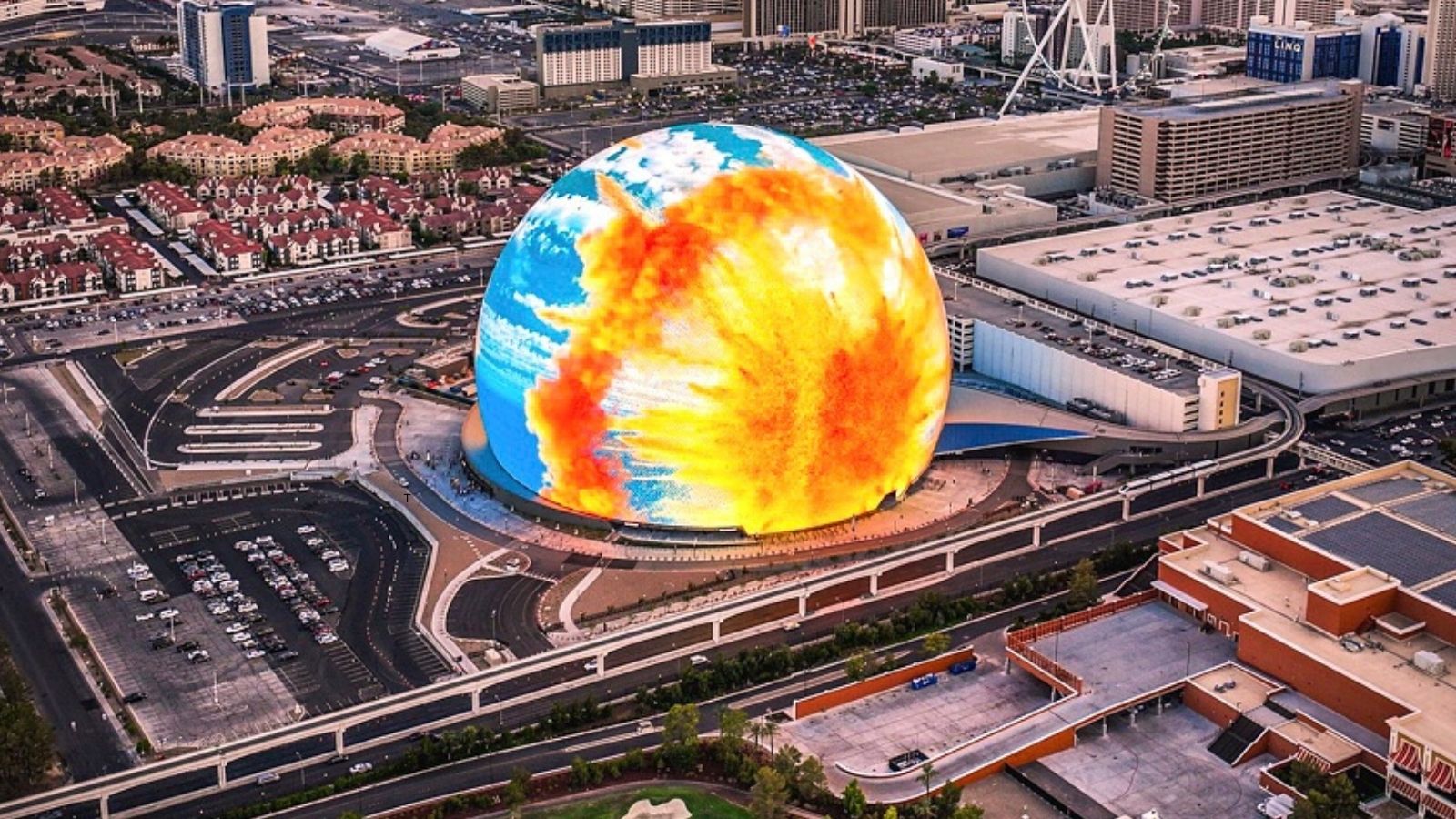
If you’ve heard of the Vegas Sphere, you know exactly why people are so eager. The original draws massive crowds thanks to its 360-degree LED screens, immersive sound systems, and sensory features that go beyond regular concerts or movies.
The National Harbor mini-Sphere will bring that same energy, though at about a third of the size, to the D.C. area.
Here’s what’s on the table:
- Exosphere exterior LED displays that can show everything from art to advertisements.
- Advanced 16K x 16K resolution interior screens for jaw-dropping visuals.
- Immersive sound and sensory effects, including haptic seating that physically responds to what’s happening on screen.
- 4D experiences that make you feel motion, wind, or even scent during shows.
The goal is to pull you into the performance, rather than just watching it.
Why It Matters for D.C. and Beyond

This isn’t just another entertainment space. Local leaders are hyping the project as a game changer for the region’s economy and cultural profile.
Officials say the development could generate over $1 billion in annual economic activity, including nearly 7,250 jobs between construction and full operation.
Maryland Governor Wes Moore called it one of the biggest entertainment developments in Prince George’s County history. County Executive Aisha Braveboy echoed that excitement, saying the venue could become a year-round destination for both locals and tourists.
And yes, despite its smaller name, this mini-Sphere would still bring Vegas-style spectacle within reach of people in the Washington metropolitan area.
That’s huge for fans of immersive concerts and visual experiences who don’t want to travel across the country for big-ticket shows.
How Does It Stack Up to the Vegas Original

Compared to the Las Vegas Sphere which seats about 18,000 people, rings in at roughly $2.3 billion, and boasts overwhelming sensory power, the National Harbor version is more compact and cost-effective. But the entertainment DNA is the same. The mini-Sphere will still feature next-level screens and sound designed to wow audiences.
Think of it as Vegas-level showmanship built for East Coast audiences. It’s immersive, it’s high-tech, and it’s coming to a scenic riverside spot just minutes from downtown D.C.
Not Everyone Is Sold Yet
Of course, big projects like this come with big questions. Before construction can begin, state and local governments need to finalize funding agreements and approvals for public incentives worth around $200 million.
Some community members have raised concerns about issues like light pollution from the exterior LED displays, especially since they’ll be so visible along flight paths near Reagan National Airport.
There’s also ongoing debate about how public support is being leveraged, especially with the state managing budget challenges. But proponents argue that the long-term economic and cultural benefits will outweigh early costs.
What’s Next?

If all the approvals go through and funding is secured, construction could begin soon, with an opening expected by 2030. That gives planners time to book artists, refine the experience, and make the mini-Sphere a cornerstone of DMV entertainment culture.
If you’re into high-tech concerts, immersive media, or just curious about what the future of entertainment looks like, this project is one to watch.
It promises to put the D.C. area on the map not just as a political hub but as a major destination for next-level shows and events.
What do you think?