

On Thursday night, a single Instagram message from the musician known as Labrinth landed like a thunderclap in the middle of pop culture’s quiet hours. The British producer, composer, and singer, whose real name is Timothy Lee McKenzie, posted a blunt declaration to his followers: he was finished with the entertainment industry.
In the same message, he aimed his record label and the HBO series that helped define the last phase of his career, writing that he was “done with this industry” and delivering a profane dismissal of both Euphoria and Columbia Records. The post was short. Brutal, even. And almost immediately, it set the internet on fire.
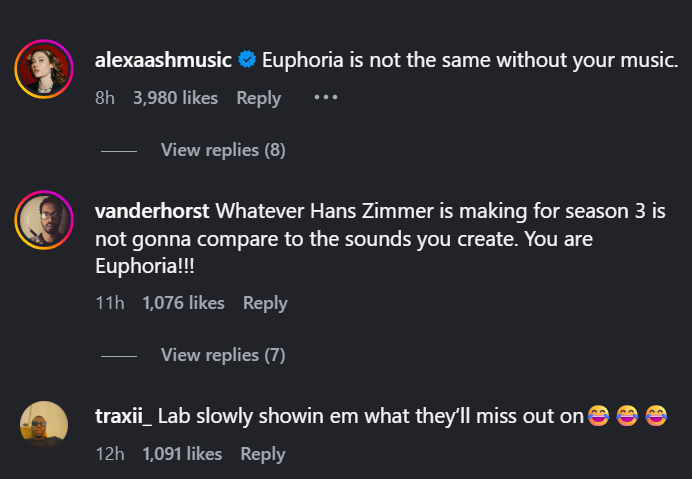
Fans flooded the comments with confusion, concern, and support. Was Labrinth actually quitting music? Was this about creative frustration? Or was it just a moment of raw emotion from an artist who has spent years shaping one of television’s most recognizable soundscapes?
The truth is that, right now, no one outside Labrinth’s inner circle seems to know. But the moment raises a bigger question… one that’s been quietly brewing for years: what happens when the artist behind the sound of a cultural phenomenon suddenly decides he’s had enough?
The Man Who Built Euphoria’s Sound

To understand why Labrinth’s message hit so hard, you must understand how deeply his music is woven into the DNA of Euphoria. When creator Sam Levinson began developing the HBO drama, he wanted the show’s music to feel unlike anything else on television, something emotional, cinematic, and unpredictable.
So, he turned to Labrinth, who at that point had never composed a full television score before. It was a gamble… and it worked. Instead of traditional TV scoring, Labrinth built a swirling mix of gospel choirs, electronic textures, orchestral swells, and raw vocals.
The music didn’t just sit underneath the scenes… it became part of the storytelling, mirroring the emotional chaos of characters like Rue Bennett, played by Zendaya. One of the show’s most powerful musical moments arrived in Season 1 with the song “All for Us,” performed by Labrinth and Zendaya.
The track went on to win a Primetime Emmy Award for Outstanding Original Music and Lyrics in 2020, cementing his role as a central creative force behind the series. And fans didn’t just listen to the soundtrack. They obsessed over it.
The haunting track “Still Don’t Know My Name” became a viral phenomenon years after its initial airing, surging across TikTok and streaming platforms. What started as a TV score turned into a musical identity that millions associated with the show’s mood, trauma, and surreal beauty.
In other words: take Labrinth out of Euphoria, and the show feels fundamentally different. Like, entirely different.
A Career That Was Never Just About One Show
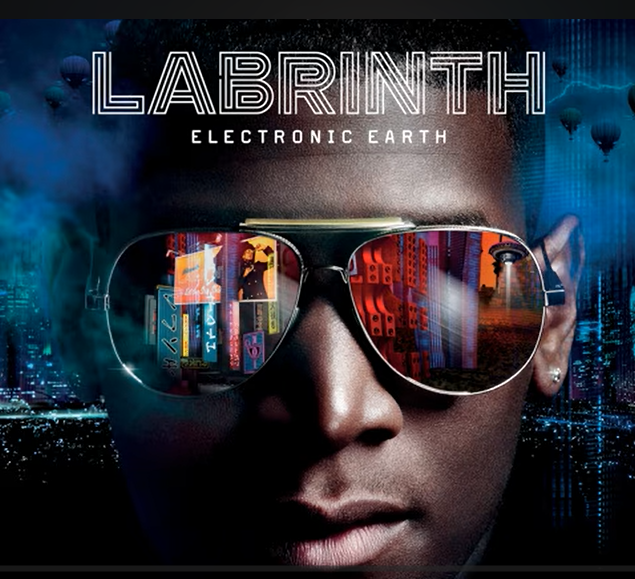
Long before Euphoria made him a household name, Labrinth had already built a formidable career behind the scenes. He first exploded onto the UK charts in the early 2010s with hits like “Let the Sun Shine” and “Earthquake,” and his collaboration with Emeli Sandé, “Beneath Your Beautiful,” became a massive international success.
But Labrinth’s real influence often happened away from the spotlight. He’s written and produced music for a remarkable list of artists, including Ed Sheeran, Nicki Minaj, Eminem, and The Weeknd.
He also helped co-write “Spirit,” the soaring anthem performed by Beyoncé for Disney’s The Lion King remake. Then there’s LSD (supergroup), his psychedelic pop collaboration with Sia and Diplo, which further proved how comfortably he could move between genres.
Simply put, Labrinth has spent most of his career bending the rules of pop music rather than following them. And that might explain why his recent message feels less like a random meltdown and more like a breaking point.
Why This Timing Is So Strange
The outburst comes at a moment when Labrinth’s influence on Euphoria should arguably be bigger than ever. The show’s third season, long delayed due to industry strikes and scheduling issues, is finally set to premiere on April 12, 2026.
And not only was Labrinth expected to return for the music, but it had also been announced that he would collaborate with legendary composer Hans Zimmer on the upcoming season’s score. That kind of pairing, one of Hollywood’s most iconic composers working alongside a genre-defying pop artist, sounded like a dream scenario for music fans.
Which is why Labrinth’s sudden declaration feels so disorienting. Nothing publicly suggested things had gone sour. Until they apparently did.
The Quiet Pressure of Being the “Sound” of a Cultural Phenomenon (Uneasy Is the Head…)

Here’s the uncomfortable truth about success in modern entertainment: sometimes the biggest projects create the tightest cages. Labrinth’s music didn’t just accompany Euphoria; it helped define its emotional universe. For many fans, his sound is inseparable from the show itself.
That kind of creative association can be powerful. But it can also become suffocating. Artists who become deeply tied to a single franchise often face an invisible expectation: keep delivering the same magic, forever.
And Labrinth has hinted in past interviews that he values creative freedom above almost anything else. He’s described making music as an exploratory process, something instinctive, unpredictable, and difficult to control. Which brings us to a contrarian thought.
The Uncomfortable Possibility: Maybe This Is the Most “Labrinth” Move Ever

The internet loves a meltdown narrative… but what if that’s not what this is? What if Labrinth isn’t quitting because he’s broken, but because he’s bored? Throughout his career, he’s shown a pattern of walking away from comfortable success.
After scoring multiple chart hits in the UK, he disappeared from the mainstream spotlight for years to experiment with new sounds. After achieving pop stardom, he pivoted into cinematic composition. After conquering television scoring, he explored psychedelic pop with LSD.
The pattern is unmistakable… Labrinth thrives on reinvention. So, it’s entirely possible that the artist who helped craft the haunting emotional pulse of Euphoria doesn’t want to be defined by it anymore. And that might be the most radical act an artist can commit in an industry built on repetition.
So… What Now?
Right now, there’s been no official explanation from Labrinth, Columbia Records, HBO, or the Euphoria production team about the statement. So, we’re left with a cryptic message, a lot of speculation, and a looming TV premiere that may or may not include the musician whose work helped make the show what it is.
But here’s the thing about artists like Labrinth: they rarely disappear quietly. If history is any guide, this moment probably isn’t the end of his story in music. It might just be the beginning of his next chapter, whatever that sounds like.
Guess fans are just going to have to keep their fingers crossed, and see what Labrinth has got up his sleeves next.