

Download a summary of this series at: https://bayyinah.com/globaleconomy In the first episode of this new ‘Quran & The Global …
source

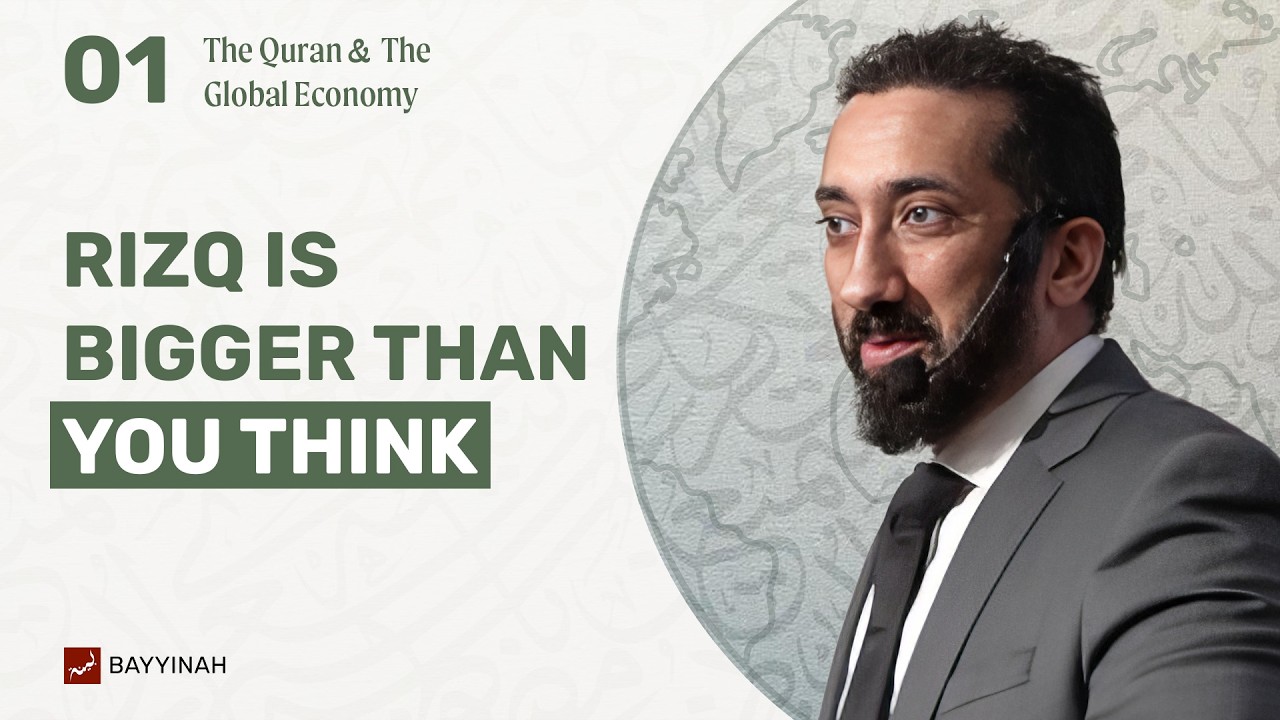
Download a summary of this series at: https://bayyinah.com/globaleconomy In the first episode of this new ‘Quran & The Global …
source

Input your search keywords and press Enter.




29 comments
This is an important topic that Ustadh Nouman has wanted to address for a while – addressing how the Quran views money, power, economics, trade, and provision. Download a summary of this series at https://bayyinah.com/globaleconomy
جَزَاكَ ٱللّٰهُ خَيْرًا
Why do you zoom like that on that woman's face at 6min it was not needed
Sir please upload complete lecture
Kindly put URDU in auto track , old people here dont know english it will be benifecial for them in urdu
good lecture!!!!!
Can you please upload all parts for free access instead of asking to access eBook and make your own economy strong
both
call Saud. make indoor airconditioned….
she came to me
sungai buloh….
pre ordained
in goodwill..
❤❤❤❤❤❤❤❤❤❤❤❤
Love you sir from Pakistan ❤
This is a great reminder, MaShaAllah, if we embrace this way of thinking that the Quran truly encompasses our entire lives our children will see Islam as a way of life.
“Quran & The Global Economy” — Part 1 (Bangla Summary)
Ustadh Nouman Ali Khan এখানে বুঝিয়েছেন যে কুরআন কখনোই আধ্যাত্মিকতা আর দুনিয়ার জীবনকে আলাদা করে না। উপার্জন, খরচ, ব্যবসা, নির্মাণ—সবই আল্লাহর কাছে গুরুত্বপূর্ণ। কুরআন শুধুমাত্র নামাজ–রোজার জন্য নয়; জীবনের পুরো সিস্টেম, বিশেষ করে অর্থনীতি সম্পর্কেও কুরআন দিকনির্দেশনা দেয়।
মূল পয়েন্টগুলো:
1. প্রাকৃতিক সম্পদ = অর্থনৈতিক শক্তি
কুরআন বৃষ্টি, ফসল, কৃষি—এসবকে বড় ধরনের অর্থনৈতিক ভিত্তি হিসেবে তুলে ধরে।
যেসব দেশের কৃষি, গরু–ছাগল, মাংস–দুধ শক্তিশালী — তাদের অর্থনীতির বেসও শক্তিশালী হয়।
2. নদীপথ ও জাহাজের গুরুত্ব
আল্লাহ বলেছেন তিনি জাহাজ ও নদীগুলো আমাদের কাজে লাগিয়ে দিয়েছেন।
আজও বিশ্বের প্রায় ৯০% বাণিজ্য জলপথে হয়—কুরআন এই বাস্তবতাকে ইঙ্গিত করে।
3. "রিজক" ও "থামারাত"
রিজক: কেবল আধ্যাত্মিক নয়; খাবার–দাবারসহ সব উপকরণ, পুরো সাপ্লাই চেইন (বৃষ্টি → ফসল → পরিবহন → বাজার)—সবই রিজকের অংশ।
থামারাত: শুধু ফল নয়; বিনিয়োগ, গ্রোথ, ব্যবসা দাঁড়িয়ে যাওয়া, শিল্প তৈরি হওয়া—সবকিছুর প্রতীক।
4. "ফাদল" = অতিরিক্ত লাভ
বোনাস, অতিরিক্ত ইনকাম, অপ্রত্যাশিত প্রফিট—এসবকেই কুরআন "ফাদল" বলে।
হজ্জের প্রসঙ্গেও আল্লাহ বলেন মানুষ সেখানে লাভের সন্ধান করে—এটাই স্বাভাবিক।
5. হালাল দুনিয়াবি উপভোগে বাধা দেওয়া ভুল
মানুষকে ভালো ও হালাল রিজকের পথে যেতে নিরুৎসাহিত করা আল্লাহ অপছন্দ করেন।
ব্যবসা, সুযোগ সৃষ্টি, সম্পদ অন্বেষণ — সবই আল্লাহর তৈরি বৈধ দুনিয়া।
6. হজ্জ = পৃথিবীর সবচেয়ে বড় বিজনেস নেটওয়ার্কিং
হজ্জকে আল্লাহ এমনভাবে উল্লেখ করেছেন যেখানে মানুষ আধ্যাত্মিকতার পাশাপাশি ব্যবসায়িক লাভও খোঁজে।
এটা নিজেরাই দেখায়—ইসলামে অর্থনীতি নিষিদ্ধ নয়, বরং উৎসাহিত।
7. পুনঃবিনিয়োগের শিক্ষা (Dhul-Qarnayn)
ধুল–কারনাইন-এর কাহিনী তুলে ধরে বলা হয়েছে—
→ সম্পদ ব্যবহার করো
→ নতুন সম্পদ অর্জন করো
→ নতুন এলাকায় উন্নয়ন ঘটাও
→ এমনকি অমুসলিমদের সাথেও ব্যবসা করতে কোনো সমস্যা নেই।
8. ইসলামকে ধর্মীয় ঘরে আটকে রাখা ভুল
কুরআন মানুষকে উৎসাহিত করেছে দূর দেশে যাওয়ার, নতুন স্কিল শেখার, ট্রেড–বিজনেসে নামার, সুযোগ খোঁজার জন্য।
আল্লাহ বলেন মানুষ যখন জাহাজে (আজকের ভাষায় প্লেনে) চড়ে দূর দেশে সুযোগ খোঁজে — এটাও তাঁর নিদর্শন।
9. "মাতাআ’" = উপকার + আনন্দ
যে জিনিসে উপকার আছে এবং আনন্দও দেয় — সেটাই “মাতাআ’”।
এটার মাধ্যমে বোঝানো হয়, মানুষ সুন্দর পরিবেশ, আরাম, সুন্দর অভিজ্ঞতা—এসবও চায়।
ব্যবসা, শপিংমল, কমার্শিয়াল বিল্ডিং—এসব নির্মাণ করায় কোনো দোষ নেই; বরং এগুলো মানুষের প্রয়োজন।
10. নবীদের দৃষ্টিভঙ্গিও ছিল গ্লোবাল
নূহ (আ.) তাঁর লোকদের বলেছেন পৃথিবী ঘুরো, দেখো, পথ খোঁজো, সুযোগ বের করো।
অর্থাৎ খুব প্রাচীন যুগেও কুরআনের বার্তা ছিল—গ্লোবালভাবে চিন্তা করো।
সারসংক্ষেপ
এই লেকচারের মূল শিক্ষা হলো:
ইসলাম দুনিয়াবিমুখ ধর্ম নয়। কুরআন আধ্যাত্মিকতা, অর্থনীতি, উন্নয়ন, ব্যবসা, লাভ—সবকিছুকে একসাথে দেখায়।
হালাল উপায়ে উপার্জন, বিনিয়োগ, উন্নয়ন, ভ্রমণ, সুযোগ সৃষ্টি—এসবই আল্লাহর নির্দেশিত জীবনের অংশ।
You clarified my confusion.. SubhanAllah.. Jazak Allah Khairun. May Allah bless you Always
What ayah is he referring to?
mashaaallah
Where is the mathematical equation that describes Islamic economics?
I think the world loses baraka everybody working hard but there's no baraka in it. Food doesn't nourishing our bodies, houses full of fights. Jobs are full of fitna and jealous. We must give up materialism.
❤❤❤💕
the Ayahs from the Qur'an mentioned in the video:
🔸1. Surah Abasa (80): Ayah 25-32 (8:08–8:41)
اَنَّا صَبَبْنَا ٱلْمَآءَ صَبًّۭا ٢٥
* How We poured down water in torrents, (80•25)
ثُمَّ شَقَقْنَا ٱلْأَرْضَ شَقًّۭا ٢٦
* Then We broke open the earth, splitting [it with sprouts], (80•26)
فَأَنۢبَتْنَا فِيهَا حَبًّۭا ٢٧
* And caused to grow within it grain (80•27)
وَعِنَبًۭا وَقَضْبًۭا ٢٨
* And grapes and herbage (80•28)
وَزَيْتُونًۭا وَنَخْلًۭا ٢٩
* And olive and palm trees (80•29)
وَحَدَآئِقَ غُلْبًۭا ٣٠
* And gardens of dense shrubbery (80•30)
وَفَـٰكِهَةًۭ وَأَبًّۭا ٣١
* And fruit and grass – (80•31)
مَّتَـٰعًۭا لَّكُمْ وَلِأَنْعَـٰمِكُمْ ٣٢
* [As] enjoyment [i.e., provision] for you and your grazing livestock. (80•32)
🔸2. Surah Ibrahim (14): Ayah 32 (10:42–11:00)
اَللّٰهُ الَّذِىۡ خَلَقَ السَّمٰوٰتِ وَالۡاَرۡضَ وَاَنۡزَلَ مِنَ السَّمَآءِ مَآءً فَاَخۡرَجَ بِهٖ مِنَ الثَّمَرٰتِ رِزۡقًا لَّـكُمۡ ۚ وَسَخَّرَ لَـكُمُ الۡـفُلۡكَ لِتَجۡرِىَ فِى الۡبَحۡرِ بِاَمۡرِهٖۚ وَسَخَّرَ لَـكُمُ الۡاَنۡهٰرَۚ
* It is Allāh who created the heavens and the earth and sent down rain from the sky and produced thereby some fruits as provision for you and subjected for you the ships to sail through the sea by His command and subjected for you the rivers (14•32)
🔸3. Surah Al-An'am (6): Ayah 99 (14:50–15:02)
وَهُوَ ٱلَّذِىٓ أَنزَلَ مِنَ ٱلسَّمَآءِ مَآءًۭ فَأَخْرَجْنَا بِهِۦ نَبَاتَ كُلِّ شَىْءٍۢ فَأَخْرَجْنَا مِنْهُ خَضِرًۭا نُّخْرِجُ مِنْهُ حَبًّۭا مُّتَرَاكِبًۭا وَمِنَ ٱلنَّخْلِ مِن طَلْعِهَا قِنْوَانٌۭ دَانِيَةٌۭ وَجَنَّـٰتٍۢ مِّنْ أَعْنَابٍۢ وَٱلزَّيْتُونَ وَٱلرُّمَّانَ مُشْتَبِهًۭا وَغَيْرَ مُتَشَـٰبِهٍ ۗ ٱنظُرُوٓا۟ إِلَىٰ ثَمَرِهِۦٓ إِذَآ أَثْمَرَ وَيَنْعِهِۦٓ ۚ إِنَّ فِى ذَٰلِكُمْ لَـَٔايَـٰتٍۢ لِّقَوْمٍۢ يُؤْمِنُونَ ٩٩
* And it is He who sends down rain from the sky, and We produce thereby the growth of all things. We produce from it greenery from which We produce grains arranged in layers. And from the palm trees – of its emerging fruit are clusters hanging low. And [We produce] gardens of grapevines and olives and pomegranates, similar yet varied. Look at [each of] its fruit when it yields and [at] its ripening. Indeed in that are signs for a people who believe. (6•99)
🔸4. Surah Al-A'raf (7): Ayah 32 (18:05–19:35)
قُلۡ مَنۡ حَرَّمَ زِيۡنَةَ اللّٰهِ الَّتِىۡۤ اَخۡرَجَ لِعِبَادِهٖ وَالطَّيِّبٰتِ مِنَ الرِّزۡقِؕ قُلۡ هِىَ لِلَّذِيۡنَ اٰمَنُوۡا فِى الۡحَيٰوةِ الدُّنۡيَا خَالِصَةً يَّوۡمَ الۡقِيٰمَةِؕ كَذٰلِكَ نُفَصِّلُ الۡاٰيٰتِ لِقَوۡمٍ يَّعۡلَمُوۡنَ
* Say, "Who has forbidden the adornment of [i.e., from] Allāh which He has produced for His servants and the good [lawful] things of provision?" Say, "They are for those who believed during the life of this world, exclusively [for them] on the Day of Resurrection." Thus do We detail the verses for a people who know. (7•32)
🔸5. Surah Al-Baqarah (2): Ayah 198
(20:13–20:58)
لَيۡسَ عَلَيۡکُمۡ جُنَاحٌ اَنۡ تَبۡتَغُوۡا فَضۡلًا مِّنۡ رَّبِّکُمۡؕ فَاِذَآ اَفَضۡتُمۡ مِّنۡ عَرَفٰتٍ فَاذۡکُرُوا اللّٰهَ عِنۡدَ الۡمَشۡعَرِ الۡحَـرَامِ وَاذۡکُرُوۡهُ کَمَا هَدٰٮکُمۡۚ وَاِنۡ کُنۡتُمۡ مِّنۡ قَبۡلِهٖ لَمِنَ الضَّآ لِّيۡنَ ١٩٨
* There is no blame upon you for seeking bounty1 from your Lord [during ḥajj]. But when you depart from ʿArafāt, remember Allāh at al-Mashʿar al-Ḥarām.2 And remember Him, as He has guided you, for indeed, you were before that among those astray. (2•198)
🔸6. Surah Al-Baqarah (2): Ayah 201 (22:08–22:20)
وَمِنْهُم مَّن يَقُولُ رَبَّنَآ ءَاتِنَا فِى ٱلدُّنْيَا حَسَنَةًۭ وَفِى ٱلْـَٔاخِرَةِ حَسَنَةًۭ وَقِنَا عَذَابَ ٱلنَّارِ ٢٠١
* But among them is he who says, "Our Lord, give us in this world [that which is] good and in the Hereafter [that which is] good and protect us from the punishment of the Fire." (2•201)
🔸7. Surah Al-Kahf (18): Ayah 84 (23:14–24:35)
إِنَّا مَكَّنَّا لَهُۥ فِى ٱلْأَرْضِ وَءَاتَيْنَـٰهُ مِن كُلِّ شَىْءٍۢ سَبَبًۭا ٨٤
* Indeed, We established him upon the earth, and We gave him from everything a way [i.e., means] (18•84)
🔸8. Surah Yasin (36): Ayah 41-43 (28:28–30:17)
وَءَايَةٌۭ لَّهُمْ أَنَّا حَمَلْنَا ذُرِّيَّتَهُمْ فِى ٱلْفُلْكِ ٱلْمَشْحُونِ ٤١
And a sign for them is that We carried their forefathers in a laden ship (36•41)
وَخَلَقْنَا لَهُم مِّن مِّثْلِهِۦ مَا يَرْكَبُونَ ٤٢
And We created for them from the likes of it that which they ride. (36•42)
وَإِن نَّشَأْ نُغْرِقْهُمْ فَلَا صَرِيخَ لَهُمْ وَلَا هُمْ يُنقَذُونَ ٤٣
And if We should will, We could drown them; then no one responding to a cry would there be for them, nor would they be saved (36•43)
🔸9. Surah An-Nur (24): Ayah 29 (32:30–33:25)
لَّيْسَ عَلَيْكُمْ جُنَاحٌ أَن تَدْخُلُوا۟ بُيُوتًا غَيْرَ مَسْكُونَةٍۢ فِيهَا مَتَـٰعٌۭ لَّكُمْ ۚ وَٱللَّهُ يَعْلَمُ مَا تُبْدُونَ وَمَا تَكْتُمُونَ ٢٩
There is no blame upon you for entering houses not inhabited in which there is convenience for you. And Allāh knows what you reveal and what you conceal. (24•29)
🔸10. Surah Nuh (71): Ayah 19-20 (34:16–34:39)
وَٱللَّهُ جَعَلَ لَكُمُ ٱلْأَرْضَ بِسَاطًۭا ١٩
And Allāh has made for you the earth an expanse (71•19)
لِّتَسْلُكُوا۟ مِنْهَا سُبُلًۭا فِجَاجًۭا ٢٠
That you may follow therein roads of passage.'" (71•20)
_________________________
Don't forget to: 1) save it, 2) reflect upon it, 3) memorize it, 4) share it 5) and live by it
_________________________
❤❤❤
conflicting information. on one hand just worry about the hereafter, on the other hand. build a business 🙂
trade with jews but not with israel, they are zionest
Please include audio track in bahasa malaysia. Indonesia is not same as bahasa malaysia
I respect Ustadh Nouman Ali Khan’s work, but I see rizq a little differently. Yes, Allah made the earth’s resources available, but that doesn’t automatically mean we’re meant to extract without limits. When we keep drilling, mining, and fracking, we disrupt the balance Allah placed in the earth (Qur’an repeatedly mentions mīzān). Maybe not every resource is meant to be pulled out in massive quantities. Some natural disasters may be a consequence of disturbing what Allah intended to remain stable. Just my reflection.