

Key takeaways:
-
Ether’s correction aligned with broader altcoin moves, with liquidations offset by stable open interest.
-
Ether options and perpetual funding data show weaker bullish demand, but no derivatives-driven trigger for sell-off.
Ether (ETH) faced a 9.2% correction in less than 12 hours following a risk-off move in the cryptocurrency market. Despite more than $500 million in forced liquidations from bullish leverage positions, buyers stepped in near $4,150. Traders are now debating whether the sell-off was excessive and if there is room for further corrections below $4,000.
Ether’s decline was nearly identical to the broader altcoin market, showing no specific concerns around the Ethereum ecosystem. Although ETH futures recorded significantly higher 24-hour liquidations, this largely reflected elevated open interest and wider use of derivatives such as options, rather than a signal of excessive leverage from bullish positions.
Aggregate open interest in Ether futures stood at $63.7 billion on Sunday, while SOL (SOL), XRP (XRP), BNB (BNB), and Cardano (ADA) combined for $32.3 billion, according to CoinGlass data. Importantly, Ether futures open interest remained relatively unchanged at ETH 14.2 million on Monday versus the previous day, indicating that the liquidation effect was balanced by the addition of new leveraged positions.
Ether derivatives did not show signs of excessive bullishness
To determine whether Ether traders shifted their outlook after the sudden negative price swing, it is useful to assess the ETH monthly futures premium. In neutral conditions, these contracts typically trade 5% to 10% above spot markets to account for the longer settlement period. Strong demand for short positions can push the premium below that level.
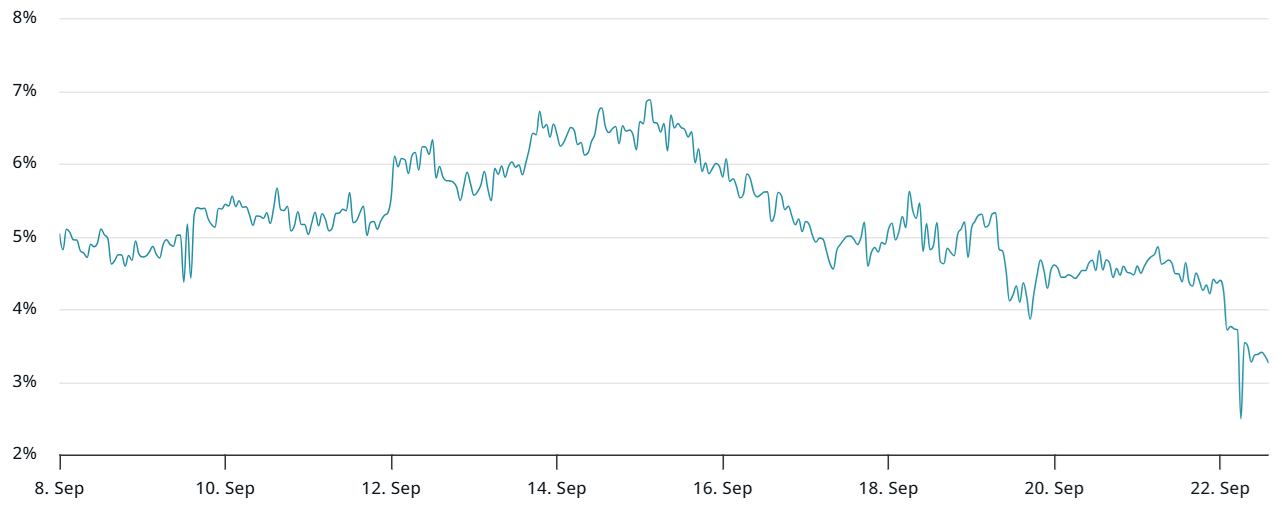
Ether’s annualized monthly futures premium dropped to its lowest point in three months, highlighting weak demand for leveraged longs. Data confirms a lack of confidence from bulls since Saturday, when the ETH premium slipped beneath the 5% neutral threshold.
ETH perpetual contracts are a useful tool to confirm traders’ sentiment. Under neutral conditions, the annualized funding rate should range between 6% and 12%.
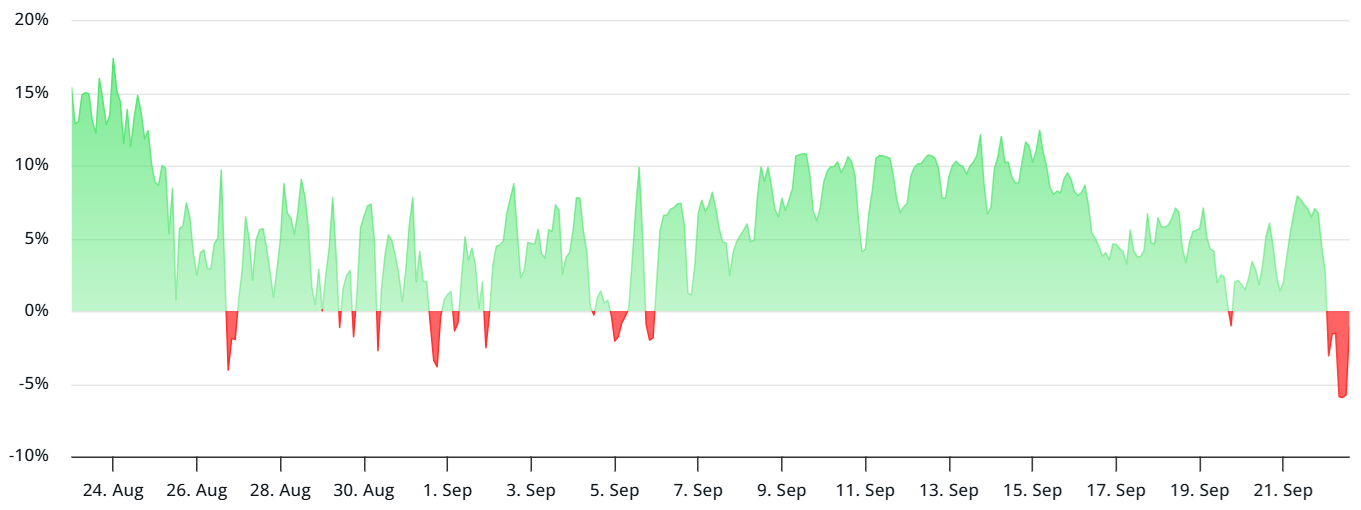
Ether perpetual futures funding rate briefly dropped to -6%, later recovering to -1% on Monday. The metric had already fallen below the neutral 6% level on Thursday, challenging the idea that cascading liquidations were primarily caused by excessive bullish leverage.
Institutional demand should generate an ETH rebound
It remains possible that a small group of entities engaged in overly optimistic positioning, yet the initial trigger of Ether’s weakness is unclear and appears to have led other cryptocurrency traders to panic sell.
Ether options provide another way to test whether professional traders anticipated a crash. If there had been some form of advance positioning, even by a few entities, demand for put (sell) options would have spiked compared with call (buy) contracts. Typically, a ratio above 150% favoring puts signals a strong fear of a correction.
Related: BitMine holds over 2% of ETH supply, announces $365M offering
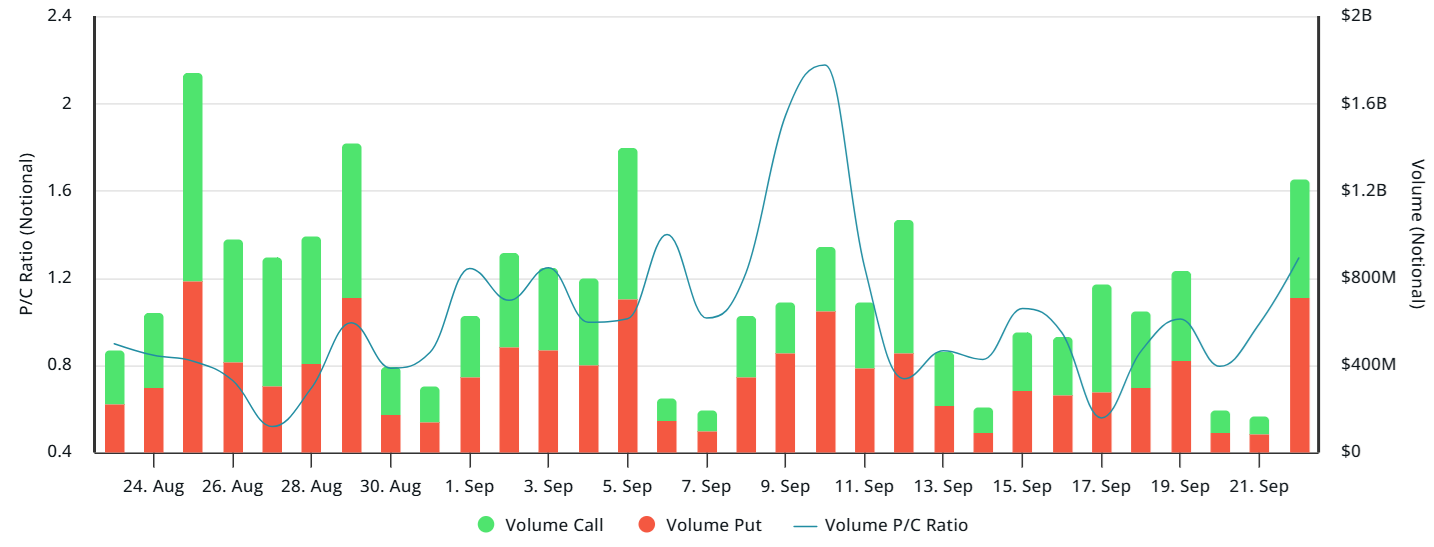
On Deribit, the put-to-call Ether options volume hovered near 80% from Wednesday through Sunday, aligning with the 30-day average. Overall, ETH derivatives data show weakening demand for bullish exposure, but no indication that derivatives markets were the origin of the downturn.
Instead, evidence suggests futures liquidations were the result of panic selling, which temporarily dampened risk appetite. Still, this should not be a long-term concern given Ether’s move in line with major altcoins. The case for ETH regaining $4,600 remains supported by rising corporate reserves and growing demand for spot Ether exchange-traded funds (ETFs).
This article is for general information purposes and is not intended to be and should not be taken as legal or investment advice. The views, thoughts, and opinions expressed here are the author’s alone and do not necessarily reflect or represent the views and opinions of Cointelegraph.