
Nilufa Easmin did everything right.
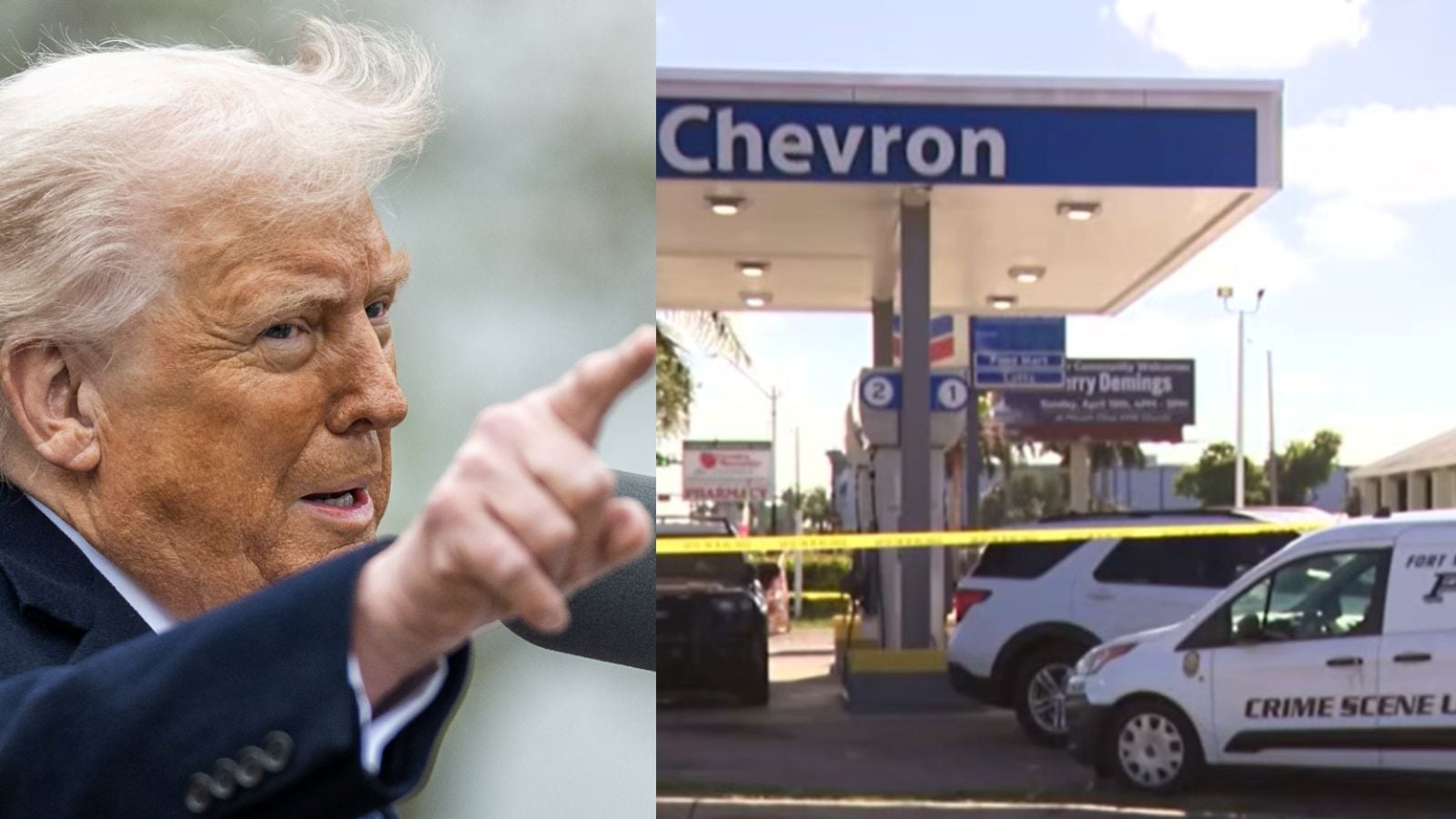
She came to the United States from Bangladesh about three decades ago. Raised two daughters here, both now in their twenties. Worked two jobs — one behind the counter of a Chevron gas station in Fort Myers, Florida. She was 51 and doing the thing politicians love to talk about but rarely reward: playing by the rules.
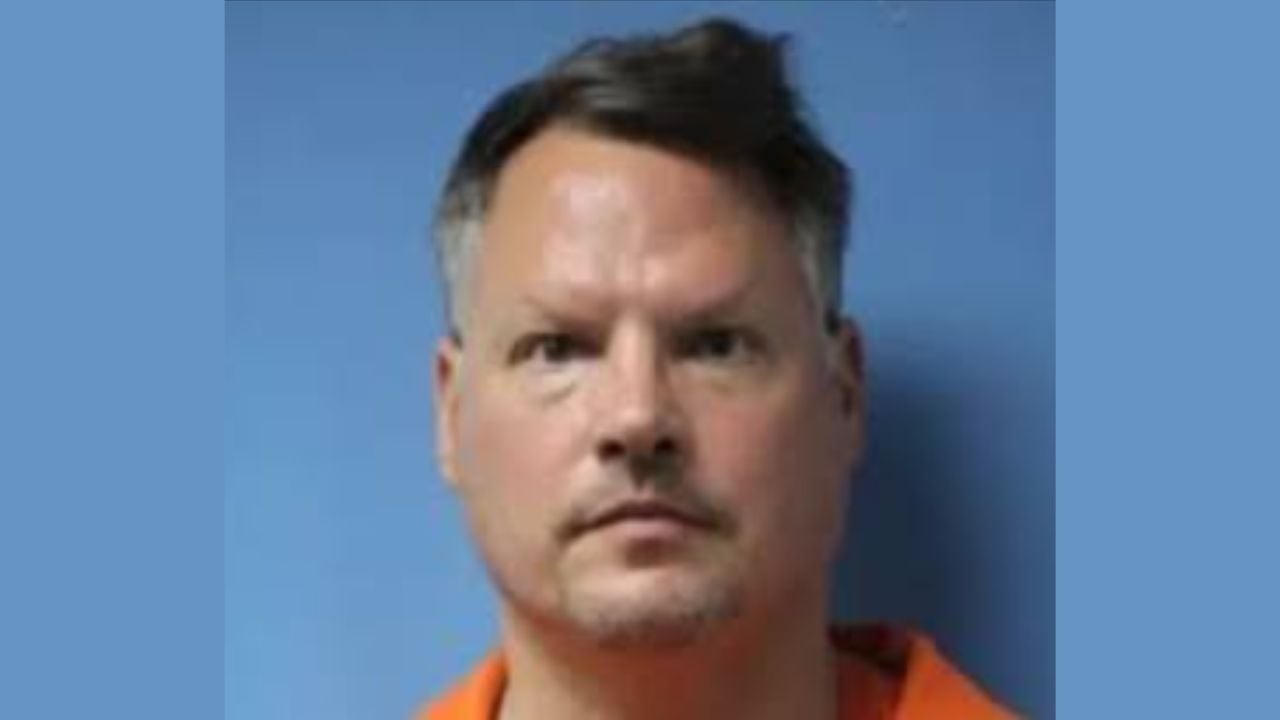
On April 2, a man named Rolbert Joachin walked into that gas station, smashed a car windshield with a hammer, and when she came outside to confront him, beat her to death on the sidewalk. Then he stepped over her body and walked away.
A woman went to work and didn’t come home. Her daughters lost their mother. That should be the story. That should be enough.

Instead, the national conversation moved almost instantly to borders, paperwork, and blame. Not to the woman on the sidewalk. Not to the daughters now planning a funeral. Not to the immigrant life that ended in front of the store where she was trying to make rent.
It wasn’t enough for Donald Trump.
He Posted the Video
Thursday evening, Trump shared the surveillance footage on Truth Social. Not a description. Not a still frame. The actual video of a woman being bludgeoned to death, posted by the sitting president to score an immigration point.
He called the footage “one of the most vicious things you will ever see,” described Joachin as “an animal,” and used the killing to sell the same political argument he always sells: immigrants are the danger, Democrats opened the door, and only his side is serious about closing it.
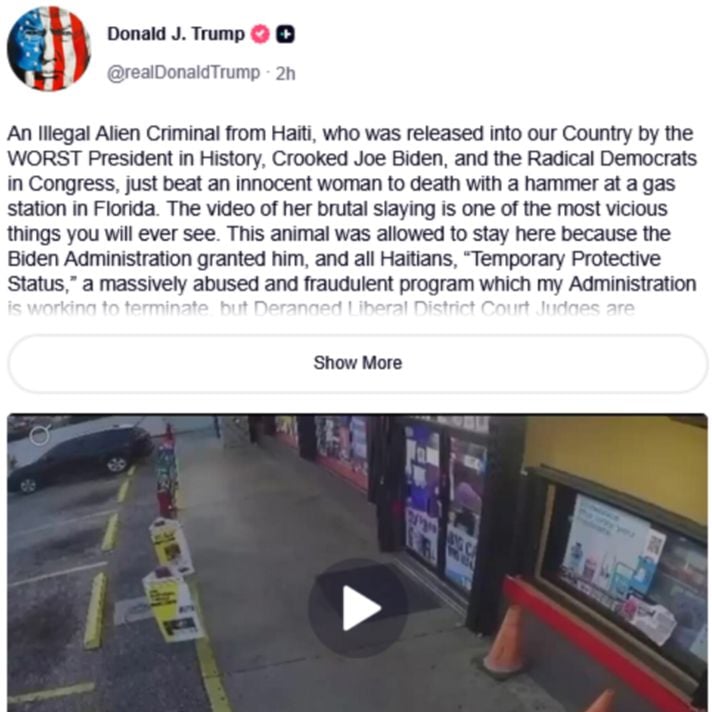
His point: this is Joe Biden’s fault. Joachin, a Haitian national, entered the country by boat in 2022 and was granted Temporary Protected Status in 2023. That much is true.
So is the uglier truth that once Trump hit post, Easmin stopped being a person in his feed and became a prop in somebody else’s political argument.
Here’s what Trump left out of his post.
The Part Where the Math Stops Working
Joachin’s TPS was not revoked until this week, after the murder. The man Trump called “an animal released by Biden” was still under protections that remained in place after Trump returned to office.
Florida, meanwhile, has not exactly been asleep at the switch. DeSantis signed a major immigration package in February 2025 and state lawmakers approved a $250 million local law enforcement immigration grant program. Republicans control the governor’s mansion and both legislative chambers. Trump is back in the White House. This is not some blue sanctuary chain-of-command shrugging in the dark. Not some powerless state waiting for Washington to act.
And somehow, this is still the Democrats’ fault.
Nobody Gets To Win This One
Trump supporters will point out — correctly — that Biden’s DHS granted the original TPS. That Joachin had a removal order that was never enforced. That the program has expanded beyond what many voters are comfortable with. Legitimate arguments, all of them. They deserve a real policy debate — not a snuff film on social media.
Critics will point out — correctly — that one man’s crime does not indict an entire nationality, that Trump routinely uses isolated horrors to smear broad groups of people, and that Haitian immigrants are now being asked to answer for a murder they did not commit. That deserves to be said, too.
But you cannot run the federal government, inherit the same case, revoke the man’s status only after the killing, and then act like the whole thing happened to you. That’s not accountability. That’s campaign content.

And lost in this performance is the woman who actually died. Easmin was a Bangladeshi immigrant, a mother of two adult daughters, and a convenience store clerk who had been working there for just a few months while also holding another job. She wasn’t killed by a policy. She was killed by a man. The president turned the footage of her death into content.
He did not post a tribute. A GoFundMe had been set up to cover funeral costs and support her daughters. Trump did not share that. He posted the killing itself.
That choice matters. It tells you what the dead are worth in Washington when their deaths can be used to keep an argument alive.
The Question Nobody in Washington Wants To Answer
The Supreme Court hears arguments on Haitian TPS on April 29. Trump wants the program ended. Advocates say Haiti is too dangerous to send people back. Both sides will cite this case. Neither will address what actually failed: a man with a removal order still slipped through years of enforcement under two administrations.
If your party controls the White House, the governor’s mansion, the state legislature, and the machinery of immigration enforcement, at what point does a murder on your turf become your problem?