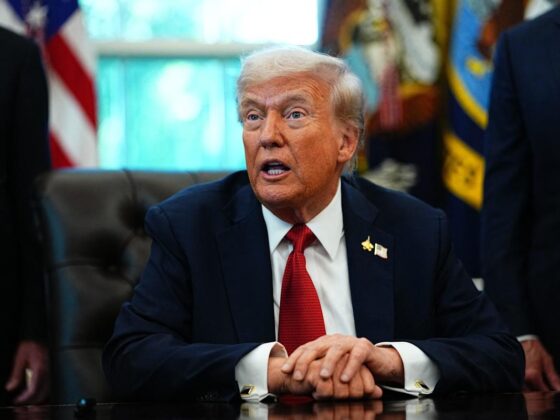
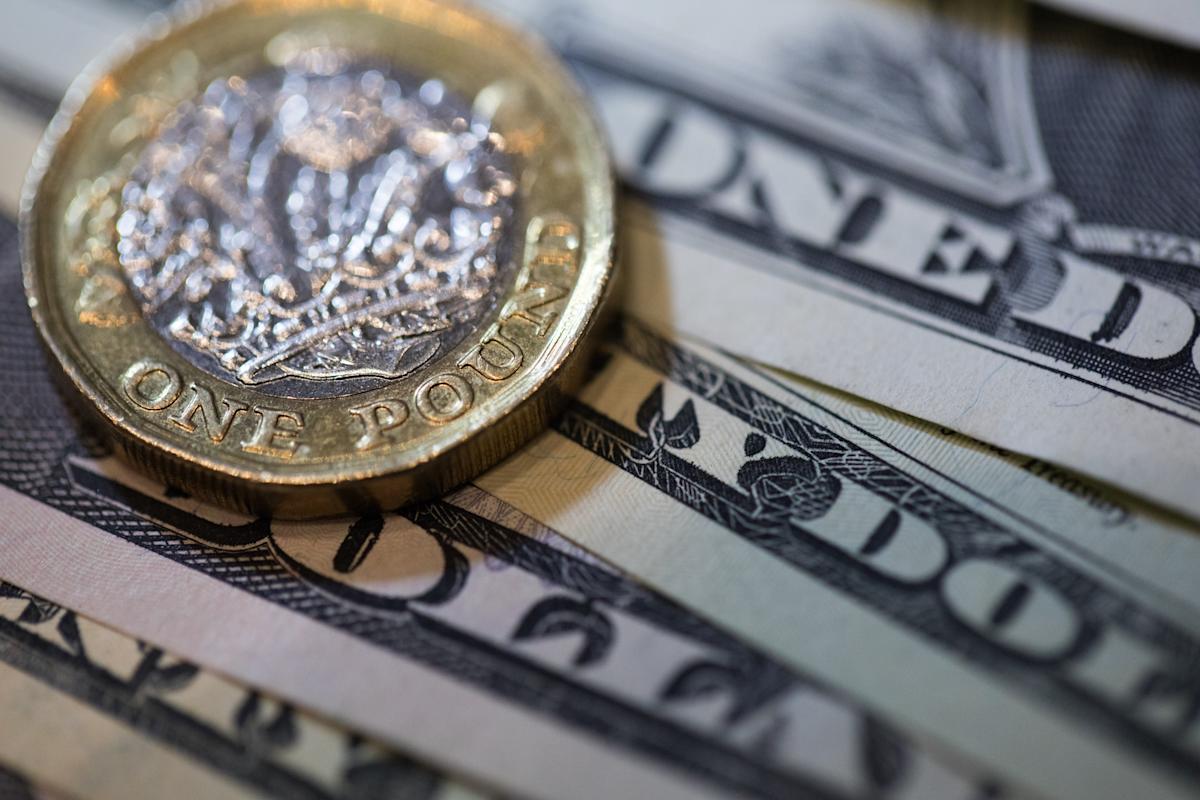

The pound was higher against the dollar on Tuesday morning, up 0.3% to $1.3638, after US president Donald Trump suggested he could make further concessions on trade tariffs.
Sterling’s gains came as markets responded to signs of a more conciliatory stance from the White House on its trade agenda. The US administration has issued formal letters to 14 countries outlining revised tariff rates, due to take effect on 1 August. The move extends a 90-day delay on so-called “reciprocal” tariffs that had been scheduled to expire on Wednesday.
However, during a dinner with visiting Israeli prime minister Benjamin Netanyahu, Trump hinted that the August deadline might not be set in stone.
“I would say firm, but not 100% firm,” he said.
Read more: ‘I returned to my old office to sell ties after being made redundant'
Asked if the tariff rates were final, he added: “I would say final – but if they call with a different offer, and I like it, then we’ll do it.”
The US Dollar Index (DX-Y.NYB), which tracks the greenback against a basket of six major currencies, slipped 0.1% to 97.26 after the comments.
In other currency moves, the pound was muted against the euro, trading at €1.1602 at the time of writing.
Gold prices inched up during early European trading hours as the uncertainty around tariff developments maintains the precious metal's safe-haven appeal.
Gold futures were steady at $3,343.60 an ounce, while spot gold climbed 0.7% to $3.334.57 per ounce.
“Trump's latest tariff letters are keeping gold in the frame for investors as an uncertainty hedge, but a resilient US dollar and higher bond yields are constraining the metal's immediate upside potential,” KCM Trade chief market analyst Tim Waterer said.
Gold, which offers no yield, tends to struggle in environments of rising bond yields. A stronger US dollar also weighs on the metal by making it more expensive for buyers using other currencies.
“Traders seem relatively unfazed by Trump's tariff letters, and with safe-haven demand largely contained at this point, gold is still just biding its time waiting for a topside breakout to potentially occur,” Waterer said.
Oil prices retreated on Tuesday after rising almost 2% in the previous session, as markets digested fresh US trade developments and a larger-than-expected supply increase from Opec+ for August.
Brent crude lost 0.3% to $69.39 a barrel, while West Texas Intermediate dropped by the same margin to trade at $67.71.
“Prompt demand remains healthy on the back of seasonal factors. The question remains if forward demand will maintain to absorb the larger-than-expected supply from Opec+,” said Emril Jamil, a senior analyst at LSEG Oil Research.