
Before Scream 7 slashes its way into theaters, it’s time to revisit some of the greatest meta horror films that paved the way for Ghostface’s return. Meta horror isn’t just about blood and screams; it’s about flipping the script, breaking the fourth wall, and making us question what’s real.
These 10 movies will give you all the self-aware chills you need to get primed for the latest Scream installment. If you haven’t seen them yet, don’t worry, we’ve got you covered, but beware of spoilers ahead!
Wes Craven’s New Nightmare (1994)
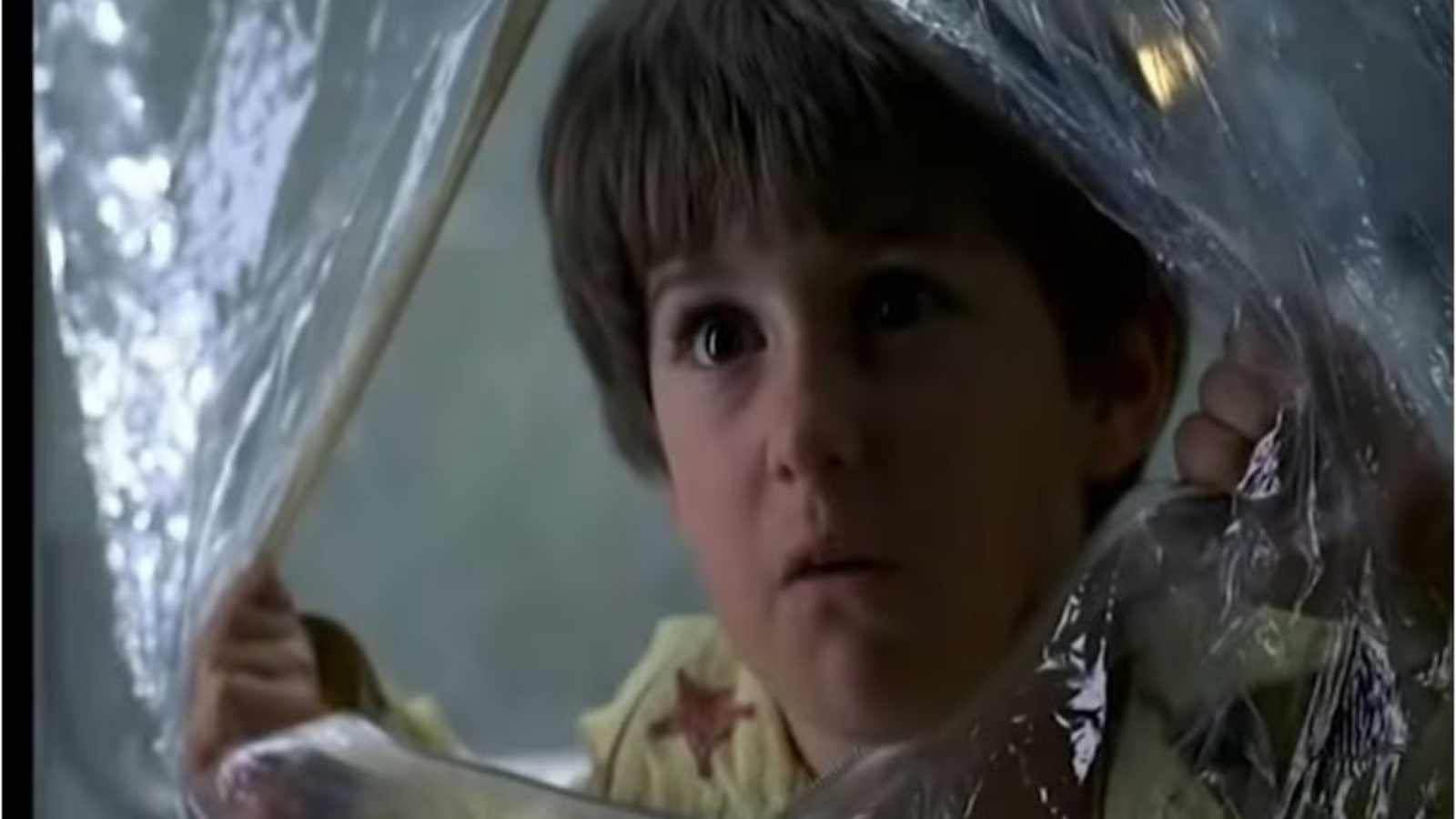
Before Scream, Wes Craven turned the horror genre upside down with New Nightmare. Freddy Krueger isn’t just a monster in this film; he’s a fictional character who comes to life in a terrifying new way. Craven’s blend of reality and fiction, where actors like Heather Langenkamp play exaggerated versions of themselves, set the stage for Scream’s playful self-awareness.
The Cabin in the Woods (2011)
This movie takes the typical “group of friends trapped in a cabin” scenario and turns it on its head. Instead of just falling into the usual horror tropes, the characters are actively manipulated by a control room of technicians, making the story a commentary on horror movie formulas. A must-watch before Scream 7 if you want to understand how a movie can comment on itself while still delivering the scares.
The Final Girls (2015)
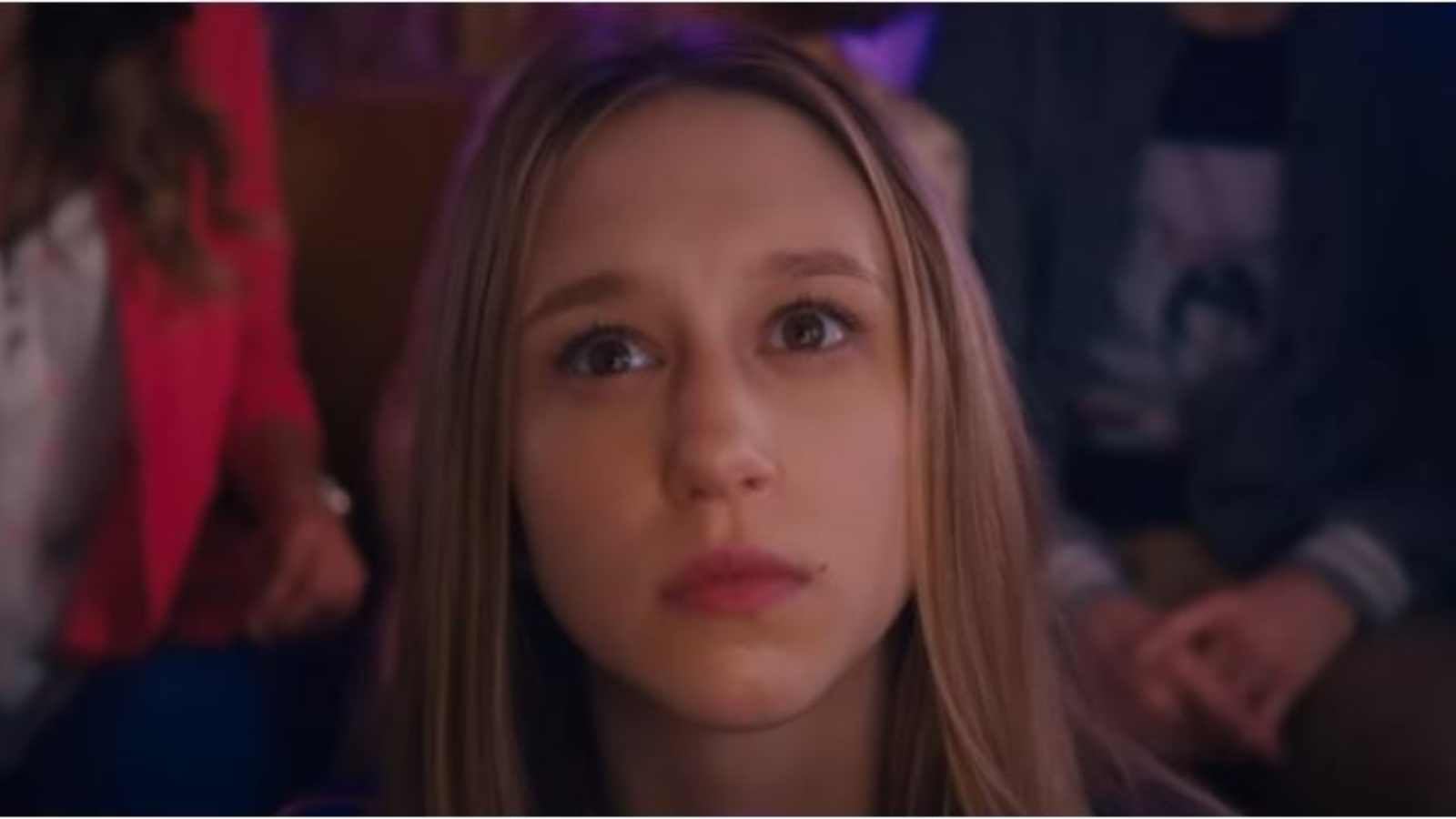
Imagine being sucked into an ‘80s slasher film and having to use your knowledge of the genre to survive. The Final Girls gives us exactly that, and more. Max, the protagonist, has to navigate her mother’s role as a victim in a fictional horror movie. A clever deconstruction of the genre, it’s a hilarious yet heartfelt journey into horror nostalgia.
Peeping Tom (1960)
Released the same year as Psycho, Peeping Tom wasn’t just ahead of its time; it was way too advanced for its audience. The killer films his victims while they die, forcing the audience to watch through the lens of his camera. It’s a disturbing exploration of voyeurism, turning the viewer into a participant in the horror. If you want to understand how horror can challenge the viewer’s role, this one’s a classic.
Funny Games (2007)
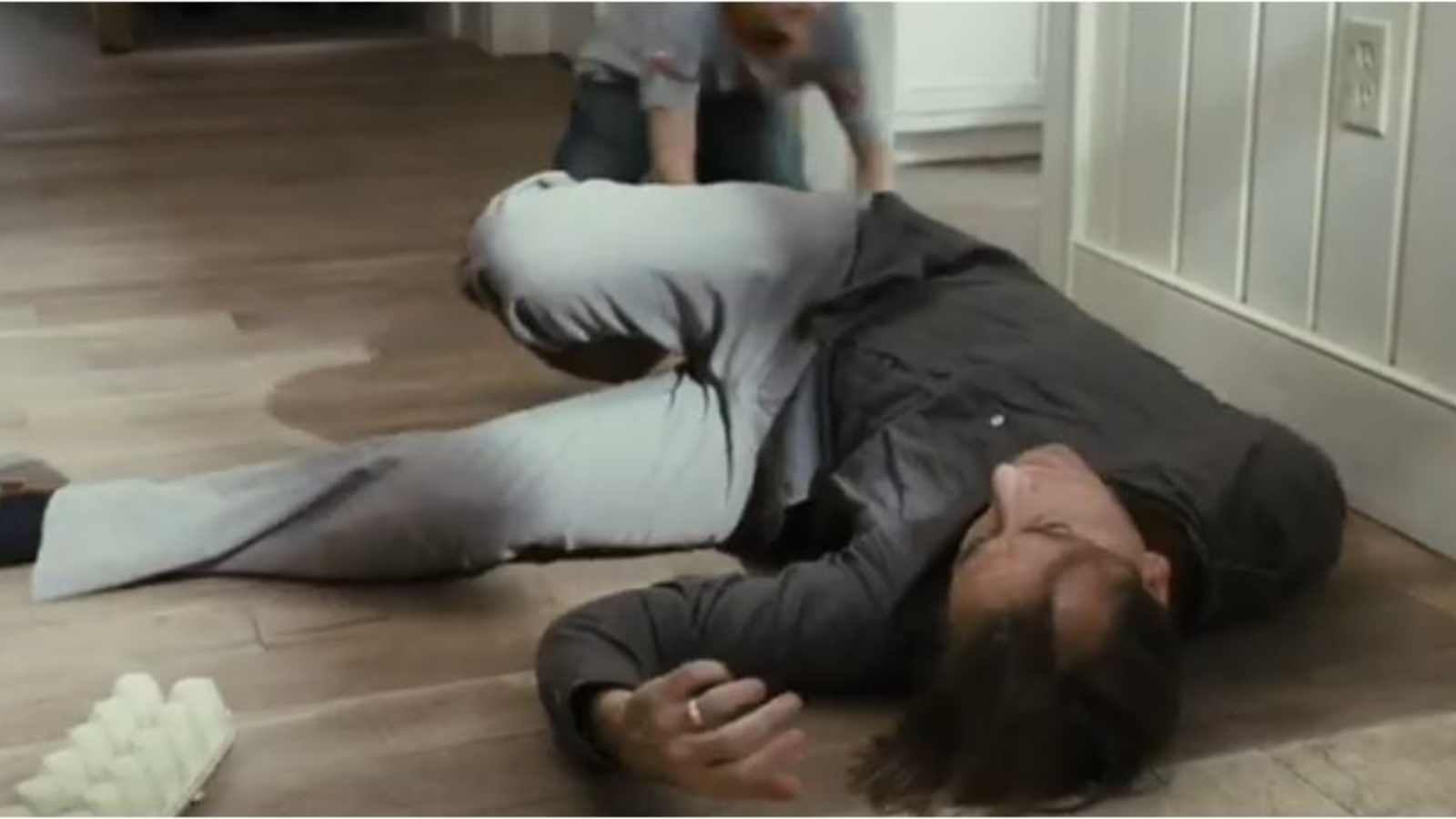
Funny Games is not just a home-invasion thriller; it’s a critique of violence in cinema. The lead villain speaks directly to the audience, asking them what they think will happen next. The most shocking moment? When a character grabs a gun and kills one of the attackers, only for the villain to rewind the movie, erasing the victory. It’s an unsettling exercise in power and control that you can’t look away from.
Happy Death Day (2017)
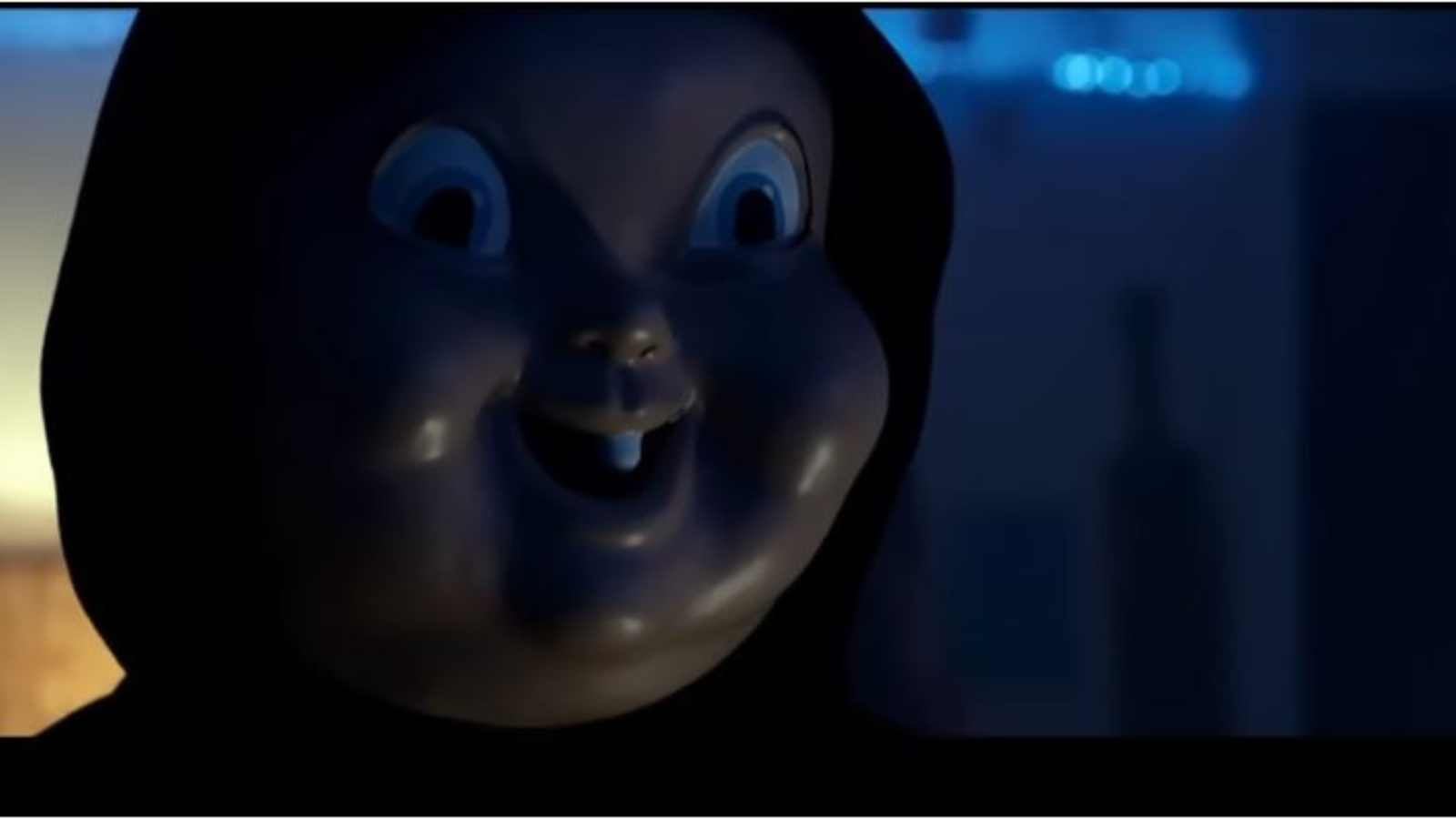
Happy Death Day may sound like a gimmick, but it’s much more than that. The movie takes the time-loop concept and mixes it with slasher-film clichés, creating a protagonist who learns to survive by testing various horror tropes. It’s a meta exploration of the genre, and if you think you’ve seen every slasher trick in the book, this film proves you’re wrong.
Friday the 13th Part VI: Jason Lives (1986)
By the mid-1980s, slasher movies had become almost too predictable, but Jason Lives turned that on its head. This film blends humor with its usual gory antics, with characters making sarcastic comments about the absurdity of the horror around them. It’s an early example of meta-horror, showing that you can poke fun at the genre while still delivering the goods.
In the Mouth of Madness (1994)
In this Lovecraftian tale, an insurance investigator becomes trapped in a novel’s plot, eventually realizing he may not even be real, he’s just a character in a story. In the Mouth of Madness takes the concept of meta horror to an existential level, exploring the boundaries between reality and fiction. It’s a must-watch if you want to dive deep into the psychological side of meta horror.
Anguish (1987)
Anguish is a Spanish cult classic that takes the “movie within a movie” concept to new heights. It starts by showing a killer who collects eyeballs, only for the audience to realize they are watching this story unfold on screen—until a real killer starts to mimic the onscreen murders. This mind-bending experience will make you rethink your relationship with horror movies, and it’s a clear influence on Scream 2’s theater sequence.
You’re Next (2011)
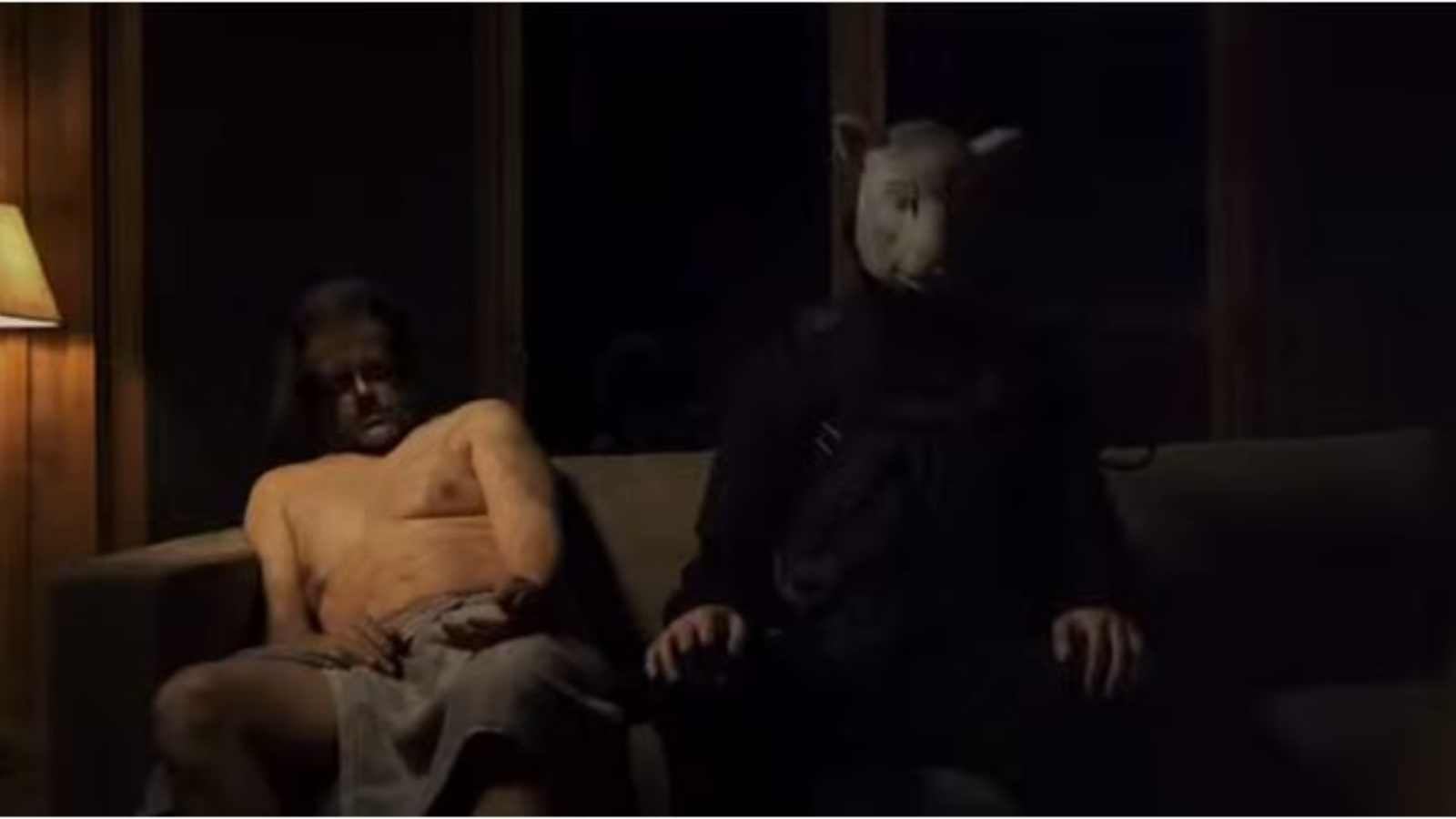
You’re Next begins like any other home invasion thriller, until it doesn’t. Erin, the protagonist, isn’t just the damsel in distress; she’s a tactical survivalist who flips the script on the masked invaders. This film turns the typical “helpless victim” trope on its head, making it one of the most refreshing and self-aware horror movies of the decade.
Conclusion
Meta horror films are more than just fun; they’re a lens through which we can analyze the evolution of horror itself. They don’t just scare us; they invite us to look behind the curtain, to become aware of the tropes, clichés, and conventions that make horror what it is. If you want to fully appreciate the layered narrative of Scream 7, these 10 films will deepen your understanding of why self-awareness is so crucial in horror cinema.
Whether you’re laughing at the absurdity of slasher tropes or grappling with the dark mirror of voyeurism, each of these films plays with the genre in ways that make them essential to watch before the latest Scream installment. So grab some popcorn, turn off the lights, and prepare for a thrilling meta-horror marathon.