
History is filled with stories of individuals whose brilliance, creativity, and contributions went unrecognized in their lifetimes, only to be celebrated after their deaths. These legendary figures, whose works and legacies have since left an indelible mark on culture, art, science, and literature, demonstrate the timeless nature of true greatness.
Here are 10 iconic figures who became famous long after their passing.
Anne Frank
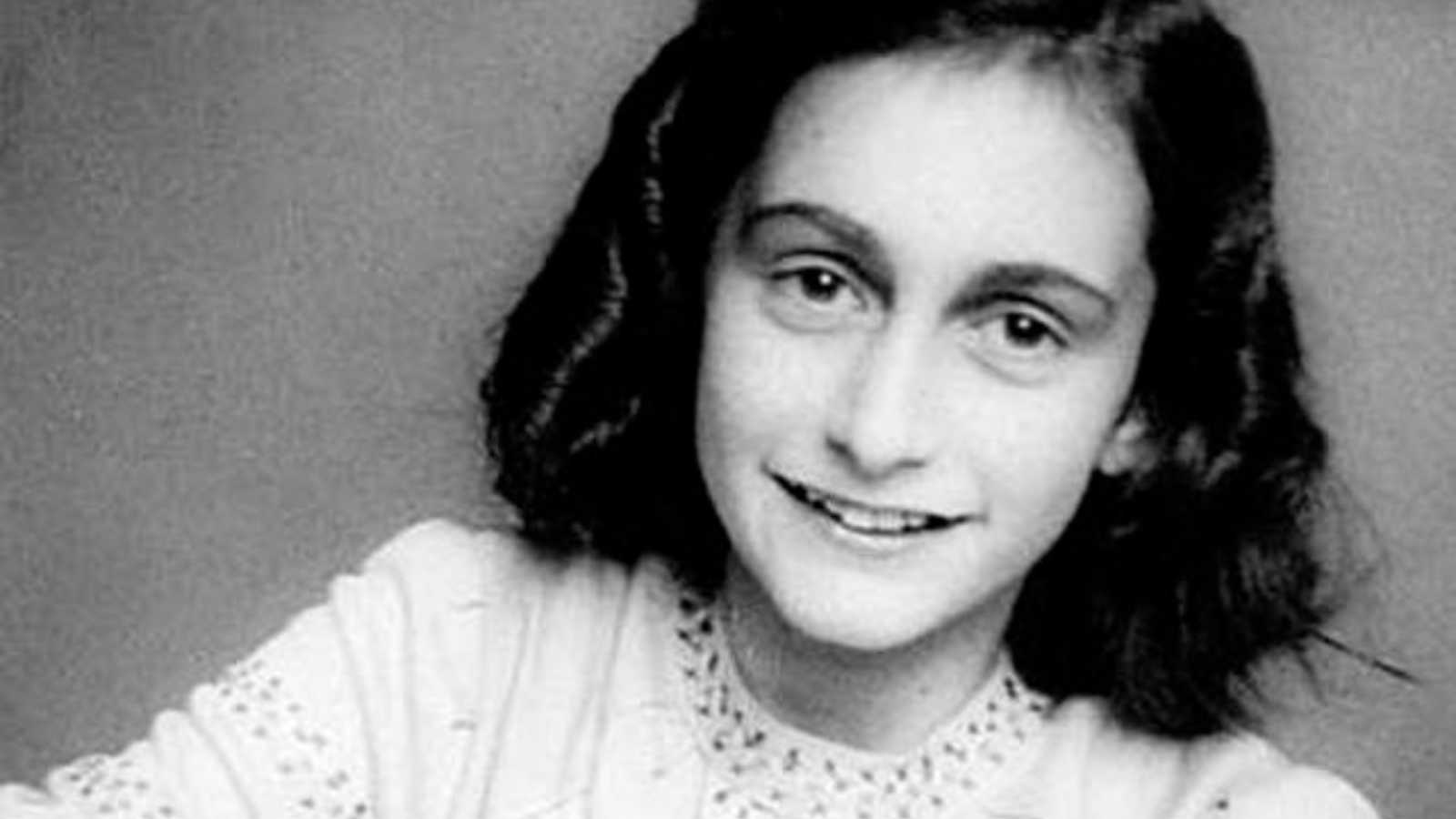
Anne Frank, a Jewish teenager, wrote her diary while hiding from the Nazis during World War II. Her diary, which documents the hardships of Jewish life in hiding, was published after her death in a concentration camp. The Diary of Anne Frank has since become one of the most important and widely read books in the world.
Her words continue to educate millions about the atrocities of the Holocaust, and her legacy as a symbol of hope and resilience remains strong.
John Keats
John Keats, one of the greatest Romantic poets, faced harsh criticism during his lifetime, and his health deteriorated due to tuberculosis. He died at 25, believing his poetry had been a failure. After his death, Keats’s work began to be recognized for its beauty, with poems like Ode to a Nightingale and Ode on a Grecian Urn becoming staples of English literature.
Today, Keats is celebrated as one of the finest poets in the English language, his works admired for their richness, beauty, and depth.
Vincent Van Gogh
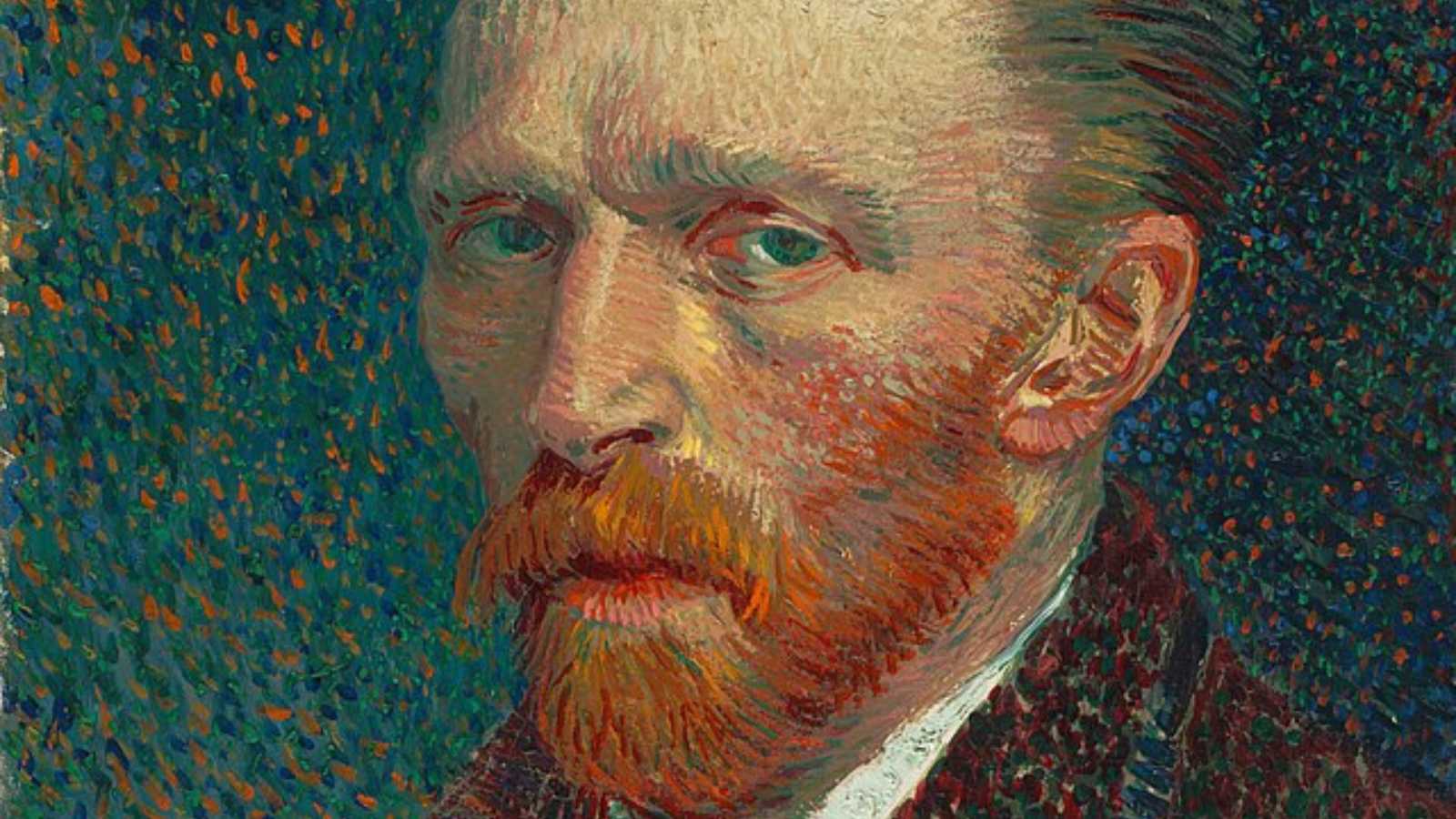
Vincent van Gogh, one of the most influential figures in Western art, struggled with mental illness and poverty during his life. Despite creating masterpieces like Starry Night and Sunflowers, van Gogh sold only one painting while alive. It wasn’t until after his tragic death at 37 that the world recognized his genius.
Today, his works are worth millions, and his legacy as a visionary painter continues to inspire generations.
Emily Dickinson
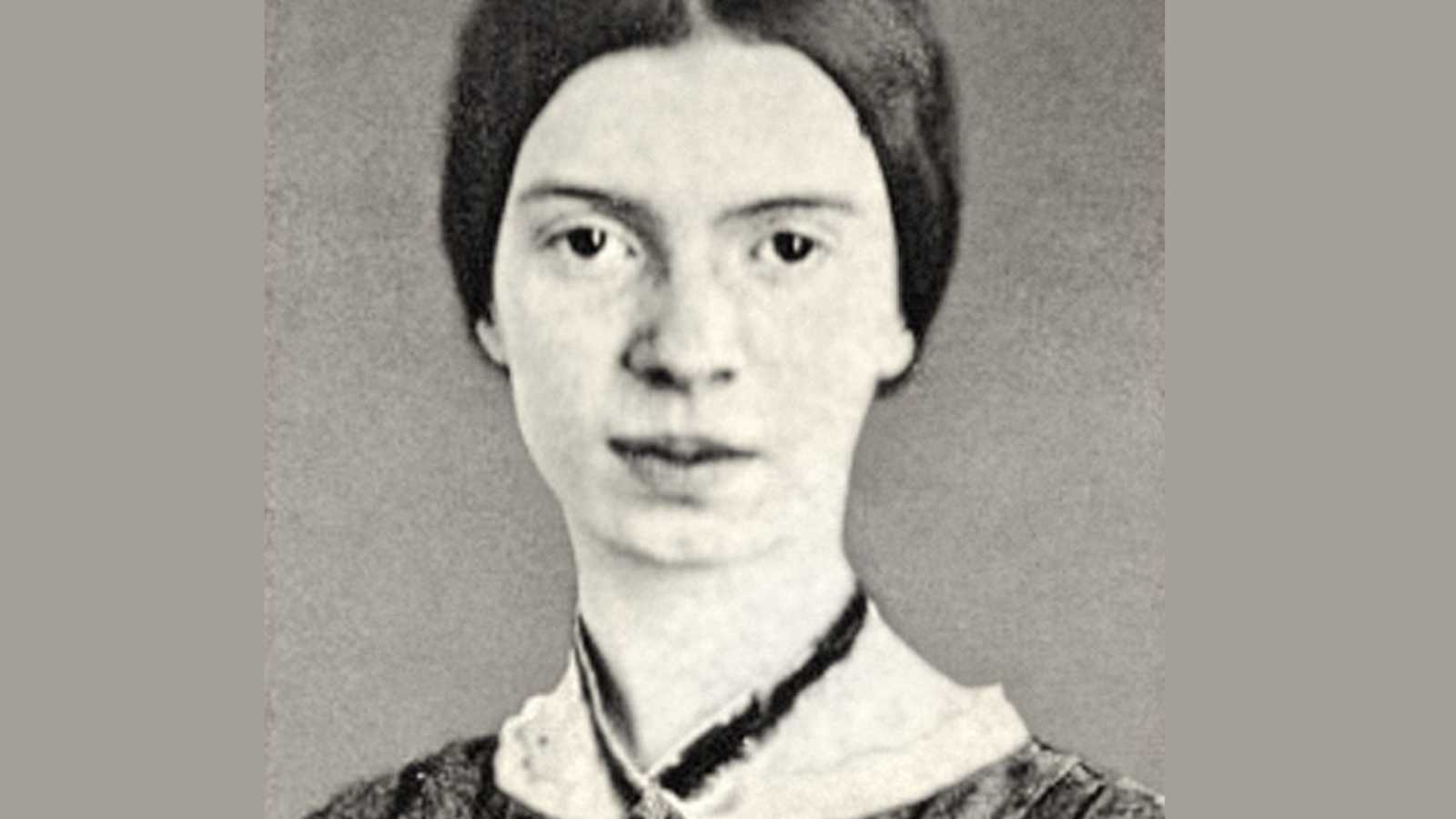
Emily Dickinson lived much of her life in isolation, writing nearly 1,800 poems but publishing only a handful. Her unique, deeply personal style was considered unconventional for her time, leaving her largely unknown during her lifetime. After her death in 1886, Dickinson’s sister discovered her poetry and had it published.
Now, Emily Dickinson is regarded as one of America’s greatest poets, with her sharp, evocative lines on life, death, and the human experience resonating deeply with readers.
Johann Sebastian Bach
Johann Sebastian Bach’s name was known primarily in church circles during his lifetime, and many of his masterpieces were forgotten shortly after his death. It wasn’t until the 19th century, when composer Felix Mendelssohn revived interest in Bach’s work, that his true brilliance was recognized.
Now, Bach is regarded as one of the greatest composers in history, with his intricate counterpoint and harmonious compositions forming the foundation of classical music.
Nick Drake
Nick Drake, the British folk singer-songwriter, struggled with depression and obscurity during his life. His hauntingly beautiful albums, including Pink Moon, sold poorly, and he died at 26, largely unknown. It wasn’t until years later that Drake’s music gained a cult following, inspiring new generations of musicians.
Today, his poetic lyrics and melancholy voice continue to captivate listeners, with his songs featured in films, commercials, and playlists worldwide.
Sylvia Plath
Sylvia Plath, known for her confessional poetry, faced personal struggles throughout her life, culminating in her suicide at 30. Though she published only one poetry collection, Ariel, during her lifetime, it was the posthumous publication of her works that cemented her place in literary history.
Plath’s raw, powerful exploration of mental illness, identity, and gender has made her a feminist icon, and The Bell Jar remains an essential work in understanding the struggles of women in the 20th century.
H.P. Lovecraft
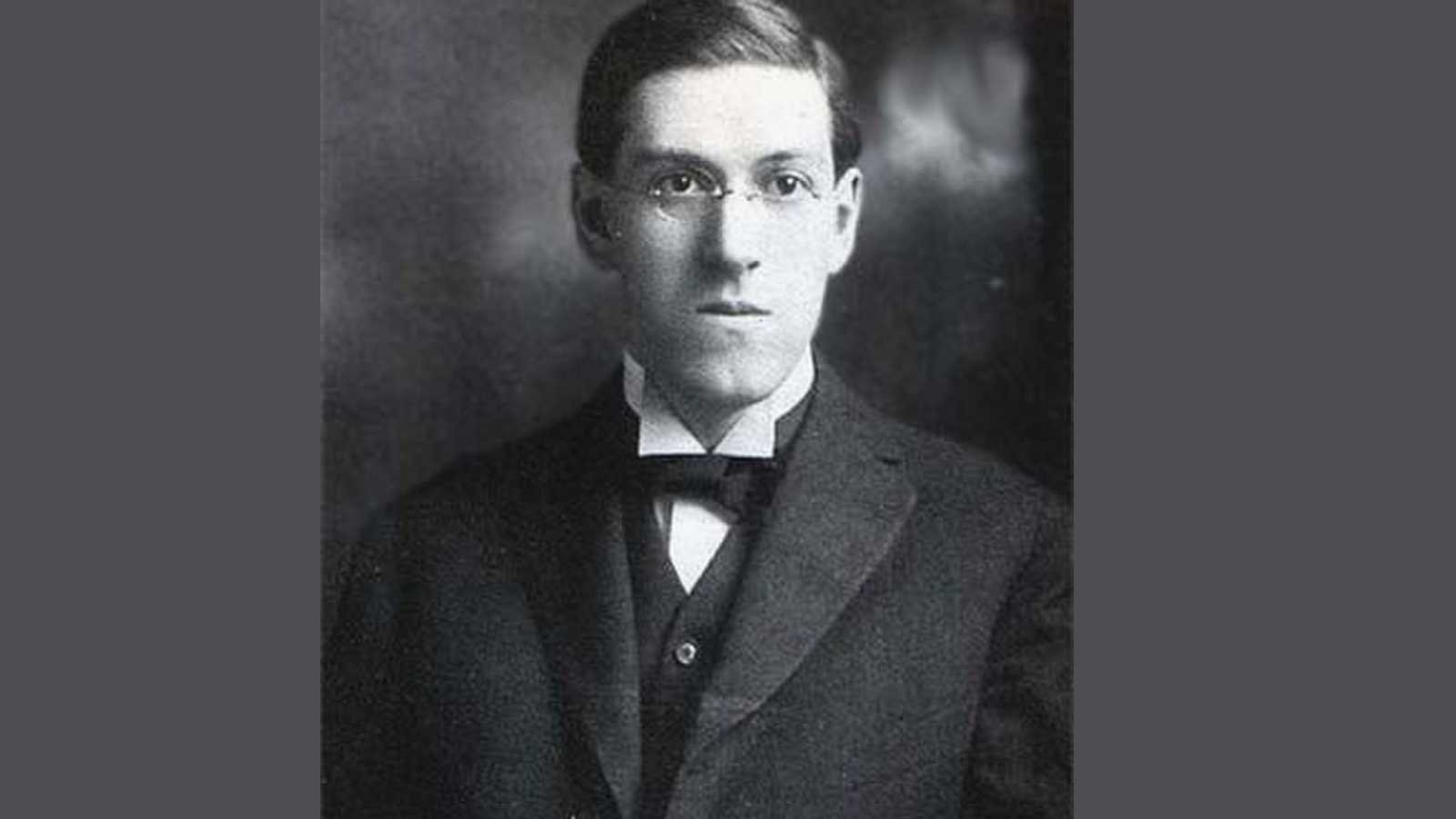
H.P. Lovecraft, a pioneer of cosmic horror, was virtually unknown during his life, publishing his weird tales only in obscure pulp magazines. After his death in 1937, his works were revived by a new generation of writers and fans, particularly his Cthulhu Mythos.
Now, Lovecraft’s eerie, otherworldly creations continue to inspire horror films, books, and video games, and his influence on the genre is undeniable, making him a cult figure in modern horror literature.
Gregor Mende
Gregor Mendel, a monk and scientist, conducted groundbreaking experiments on the inheritance of traits in pea plants. His work, which laid the foundation for modern genetics, went largely unnoticed during his lifetime. It wasn’t until decades later that his findings were rediscovered, establishing Mendel as a key figure in the development of genetics.
His principles of heredity are now fundamental in biology, and his legacy has shaped the course of science forever.
Franz Kafka
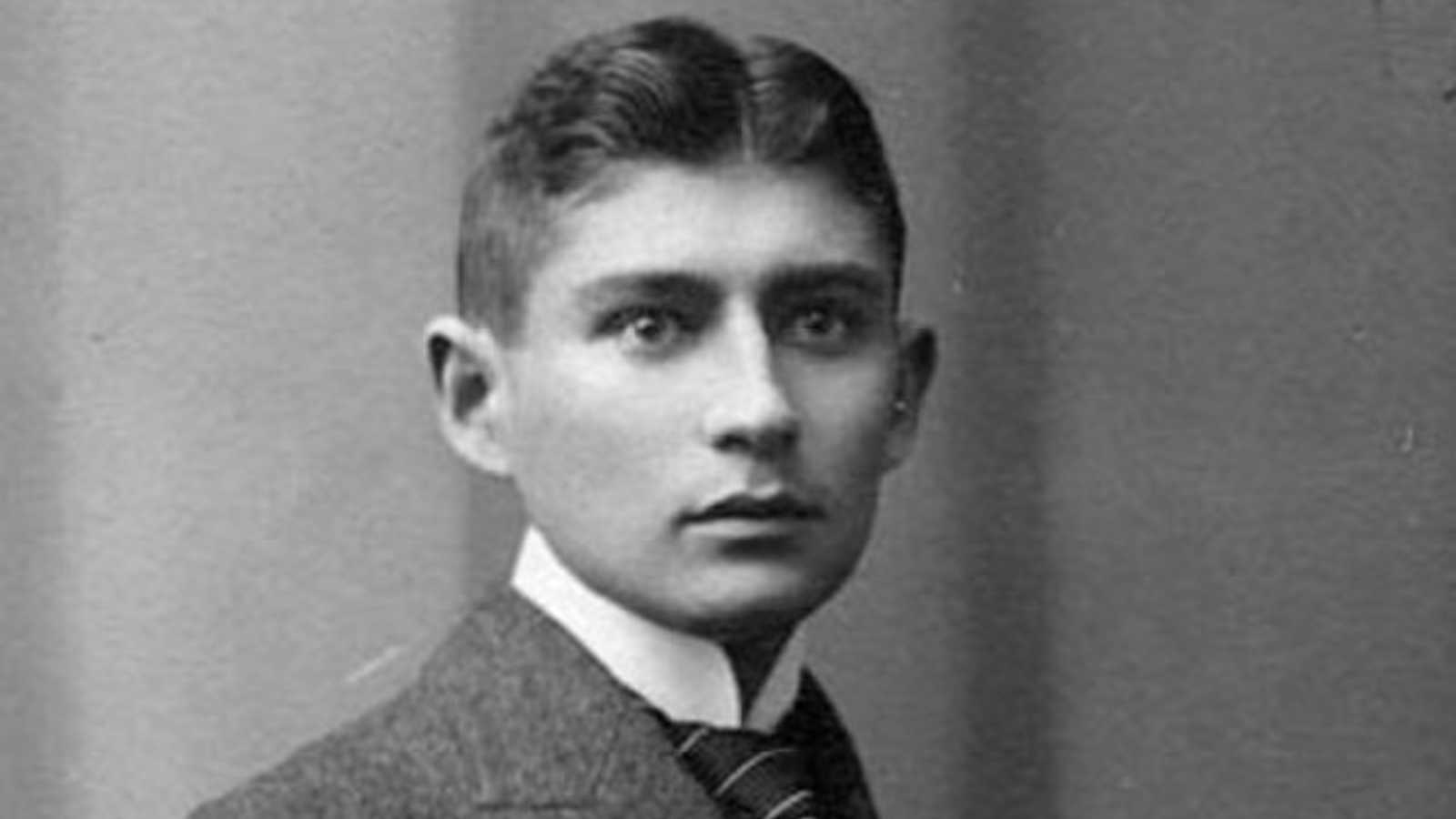
Franz Kafka’s works, including The Trial and The Metamorphosis, were not widely recognized during his lifetime. Kafka, who struggled with self-doubt and health issues, even instructed his friend Max Brod to destroy his unpublished manuscripts after his death.
Brod defied his wishes, publishing Kafka’s works, which went on to become some of the most influential literary works of the 20th century. Kafka’s exploration of alienation, bureaucracy, and existential dread has made him a symbol of modernist literature.
Conclusion
These ten legendary figures, whose contributions were overlooked or misunderstood in their lifetimes, have left an enduring impact on the world. Their posthumous fame serves as a reminder that greatness does not always receive recognition in the moment but can continue to thrive and inspire long after death.